Open 24 hours
Call any hour, any day — the phone is answered around the clock.
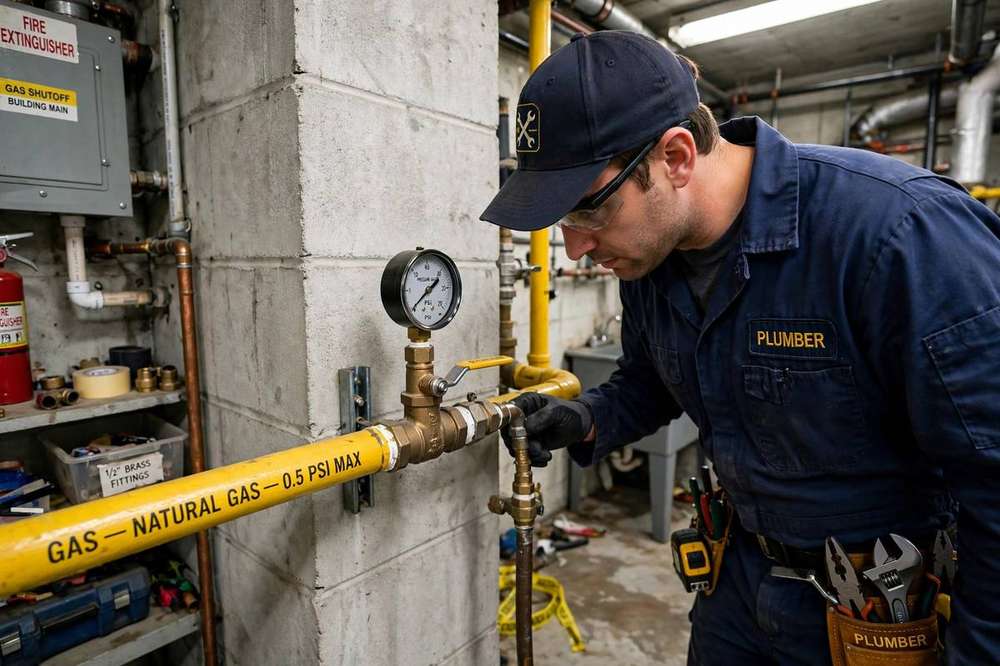
Gas line installation in Lakewood, CO covers new lines for gas ranges, dryers, fireplaces, outdoor kitchens, and tankless water heaters, plus extensions and replacements for aging steel lines in mid-century homes. Gas work is permitted work, and it is tested work: every line is pressure-tested before it is used. And the safety rule comes before everything else on this page — if you smell gas, leave the property and call 911 or Xcel Energy from outside, then call us.
Call any hour, any day — the phone is answered around the clock.
We explain what we found and what the options are before work starts.
Equipped vehicles and a clean job site when we leave.
A Lakewood business at 200 Union Blvd — neighbors serving neighbors.
A gas line is a permitted, tested system — not a hose run. Here is what the work covers.
A dedicated line for a gas range, dryer, fireplace, outdoor kitchen, or tankless water heater, sized to the appliance's demand.
Extending an existing line to a new appliance location, with the whole run re-checked for capacity.
Replacing aging steel gas pipe in mid-century homes where corrosion or old fittings are the concern.
Every line is pressure-tested before it is used, and the test is part of the permit inspection.
Gas piping needs a City of Lakewood permit. Permit fees are valuation-based — confirm the fee with the Lakewood Permit Counter at 303-987-7500.
A suspected leak is a leave-first emergency: leave the property, call 911 or Xcel Energy from outside, then call us at (720) 909-6690.
Call (720) 909-6690 — open 24 hours, every day — and tell us what is happening.
A gas line carries natural gas from the meter to an appliance — and the work is governed by sizing, materials, permits, and testing, in that order.
Most Lakewood homes heat with gas, and the gas system in a mid-century home was sized for the appliances of its era: a furnace, a tank water heater, and a range. Add a tankless water heater, a gas dryer, a fireplace, or an outdoor kitchen, and the line that was adequate in 1965 may not carry the new load — especially at Lakewood's altitude, where derating of about 4% per 1,000 feet above 2,000 feet trims every gas appliance's output. The first step is always a load calculation: what the meter can supply, what the existing line can carry, and what the new appliance demands. Our tankless water heater installation page explains why that check matters most for tankless units, which draw far more gas at full fire than a tank heater.
The pipe itself is usually steel or corrugated stainless steel tubing, and the choice depends on the run, the access, and the code. Every joint is tested, every line is pressure-tested before use, and the work is permitted through the City of Lakewood and inspected at final — the 2021 International Fuel Gas Code applies alongside the 2021 International Plumbing Code adopted by Lakewood. What gas work is not is a do-it-yourself job: no homeowner install guidance belongs on this page, because the permit, the sizing, and the testing are the job. And the safety rule bears repeating: if you smell gas or hear hissing near a line, leave the property, call 911 or Xcel Energy from outside, and only then call us at (720) 909-6690.
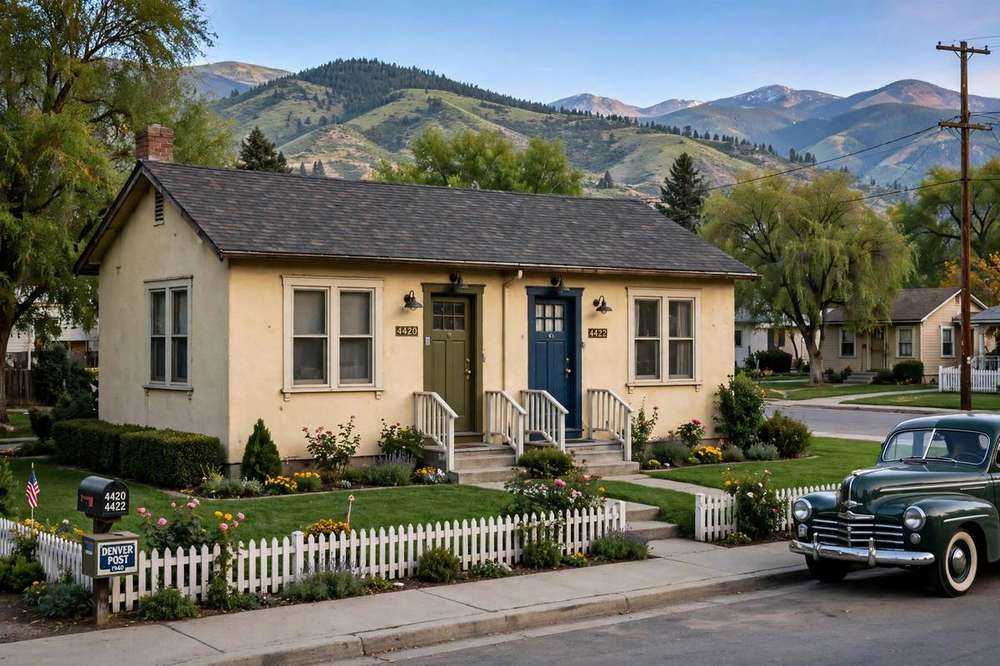
If the call is a suspected leak, the instruction is to leave and call 911 or Xcel Energy from outside. We do not diagnose a gas smell over the phone.
We check what the meter can supply, what the existing line can carry, and what the new appliance demands — at Lakewood's altitude.
The run is planned for the shortest safe route with proper support, and the pipe material is chosen for the run and the code.
The City of Lakewood permit is arranged before work starts. Permit fees are valuation-based — confirm with the Permit Counter at 303-987-7500.
The line is installed, pressure-tested, and inspected at final before the appliance is connected and fired.
The meter, the line, and the appliance demand — checked together, at altitude, before any pipe is run.
Proves the line holds before it is used, and the test is part of the permit inspection.
Electronic detection and bubble testing at every joint after install, and for tracing a suspected leak once the property is safe.
For steel runs, where the house and the run call for it.
For runs where flexibility and fewer joints suit the route and the code.
Marks buried utilities before any exterior gas line work begins.
The existing line serves the furnace and water heater only. A new dedicated line is run from the meter, the load is recalculated, and the range is connected after the pressure test and inspection.
The tankless unit draws far more gas at full fire than the tank it replaces. The gas line is upsized and the meter is checked before the heater is installed.
The line is corroded at the fittings and the run is due for replacement. The new line is installed, tested, and inspected, and the old steel is removed.
Lakewood's gas story is a mid-century one: most homes heat with gas, the gas systems were sized for the appliances of the 1950s-70s, and every new gas appliance since has added load to lines that were never recalculated. Aging steel pipe and old fittings in those homes are the most common replacement candidates, and the 2021 International Fuel Gas Code governs the work alongside the plumbing code.
1950s homes with aging steel gas pipe and old fittings — the most common replacement candidates.
1940s smaller-lot homes where the gas system was sized for a furnace and a tank heater only.
1970s split-levels where a tankless conversion is the usual reason a gas line gets upsized.
Larger homes adding gas ranges, fireplaces, and outdoor kitchens to lines sized decades ago.
1960s ranches where a new gas dryer or range is the first added load in sixty years.
Most Lakewood homes heat with gas, so the load question comes up on nearly every gas job.
About 4% per 1,000 feet above 2,000 feet trims every gas appliance's output.
Mid-century steel gas lines and old fittings corrode and loosen over decades.
A tankless water heater's full-fire draw is the largest single load a home gas line will see.
Before: a kitchen was electric, and the gas line at the house serves the furnace and water heater only.
After: a dedicated line is run from the meter, the load is recalculated, and the range is connected after the pressure test and inspection.
Maintenance: The meter capacity is the limit — a line cannot carry more than the meter supplies, and the calculation comes first.
Before: a tankless unit is planned, but the existing gas line cannot carry its full-fire draw.
After: the line is upsized, the meter is checked, and the heater fires at full output without starving the furnace.
Maintenance: A tankless unit on an undersized line underperforms in February, when every gas appliance is working hardest.
Before: a 1950s steel gas line is corroded at the fittings and the run is due for replacement.
After: the new line is installed, tested, and inspected, and the old steel is removed.
Maintenance: Old fittings are the weak point — the replacement covers the run, not just the visible section.
Gas work is two kinds of problem: new capacity, and old pipe. The safety problem — a suspected leak — is different from both, and it comes first.
A range, dryer, fireplace, or outdoor kitchen needs a dedicated line sized to its demand, run from the meter and tested.
A tankless unit's full-fire draw exceeds what a tank heater's line carries. The line is upsized and the meter is checked.
Mid-century steel gas pipe and old fittings corrode over decades. Replacement is the answer when the fittings are the weak point.
Added appliances without a load calculation starve the furnace or the heater. The calculation comes first, and the line follows it.
Smell gas or hear hissing: leave the property, call 911 or Xcel Energy from outside, then call us. This is not a wait-and-see problem.
Gas work is the most permit- and test-heavy work we do, and the discipline is the point: the load calculation before, the pressure test during, and the inspection after.
Emergency Plumber Lakewood holds a 5.0-star rating from 9 Google reviews. Homeowners across Lakewood call us when a main line fails, a water heater quits, or a drain will not clear — and the reviews describe the same things we aim for on every visit: a clear explanation of what is wrong, the options before work starts, and a clean job site when we leave. Call (720) 909-6690 — open 24 hours, every day — to talk through what is happening at your home.
Leave the property immediately and call 911 or Xcel Energy from outside. Do not use light switches, phones, or appliances inside the house. Once you are outside and have called for help, call us at (720) 909-6690.
Yes. Gas piping needs a City of Lakewood permit. Permit fees are valuation-based, so confirm the fee with the Lakewood Permit Counter at 303-987-7500.
Often not without changes. A tankless unit draws far more gas at full fire than a tank heater, so the line and the meter must be checked. If the line cannot carry the draw, it is extended or upsized as part of the job.
No. Lakewood homes run on natural gas, and propane is a negligible share of the city's housing. This page covers natural gas lines only.
Not seeing your question? Call (720) 909-6690 — open 24 hours, every day — and talk it through with the local team.
Ask the local teamReach us any hour at (720) 909-6690. Tell us what appliance you are adding or what the old line is doing, and we will talk through the next step. For a suspected leak, leave and call 911 or Xcel Energy first.