Clear arrival updates
Useful updates and clear timing once a visit is booked.
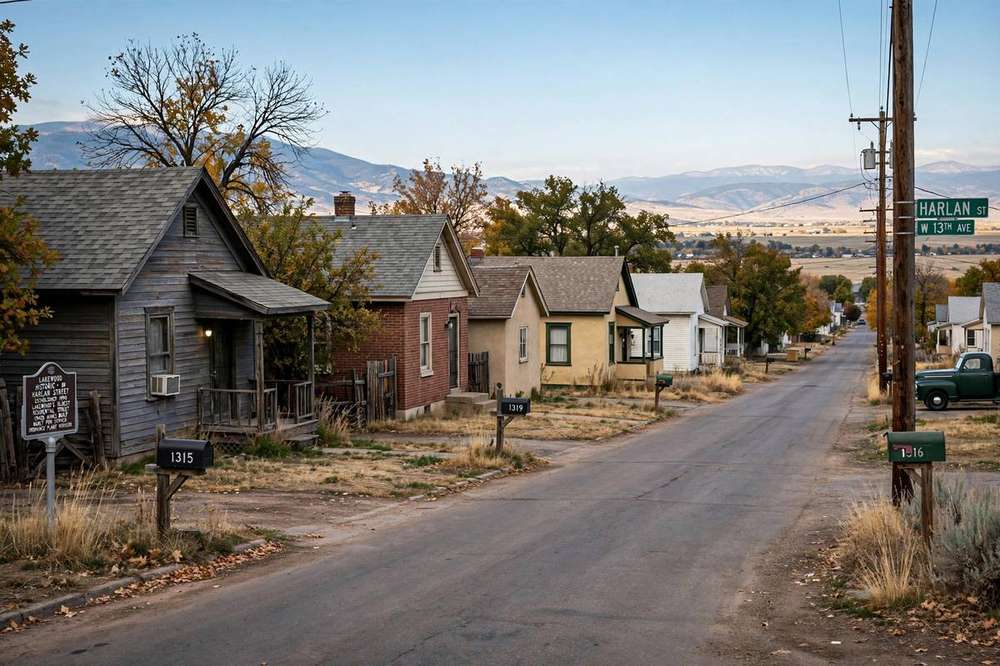
Two Creeks holds the oldest street grid in Lakewood. The city's first subdivision, the Lakewood Subdivision, was platted in 1889 in the heart of this neighborhood, and the housing that followed is mostly from 1940 to 1950, among the oldest stock in the city. Large-lot single-family homes that allow keeping horses sit directly beside multifamily units, on streets that were built largely without curb, gutter or sidewalk, and that mix is the plumbing story: the oldest service lines and laterals in Lakewood, on a semi-rural street pattern. We are open 24 hours, every day, at (720) 909-6690.
Useful updates and clear timing once a visit is booked.
Review the approach before deciding, with the work explained in plain terms.
Equipped vehicles and respectful cleanup.
Neighbors serving neighbors with follow-through.
Two Creeks sits in north Lakewood, around West Colfax Avenue, West 10th Avenue, Simms Street and Kipling Street, including the West Colfax corridor edge. The Lakewood Subdivision, platted in 1889, is in the heart of the neighborhood, and the majority of housing was built in 1940 to 1950, with a number of homes pre-1940. The city plan describes the housing as the most eclectic and interspersed in Lakewood, with NE Lakewood: large-lot single-family housing that allows keeping horses, directly interspersed with multifamily units, built largely without curb, gutter and sidewalk, with a semi-rural feel. Homes of the 1940s-50s stock typically have galvanized steel supply lines, cast-iron drain stacks and clay tile laterals, with possible lead service lines in pre-1940 homes, including any survivors near the 1889 subdivision. Because the housing is so interspersed, pipe age varies house by house more than in a uniform subdivision. Basements are standard in the 1940s-50s single-family stock, while multifamily buildings vary. Consolidated Mutual Water Company serves much of north and west Lakewood, and the provider is confirmed by address. Our guide to common plumbing problems in West Colfax older homes walks through the galvanized, cast-iron, and clay pipework those houses still carry.
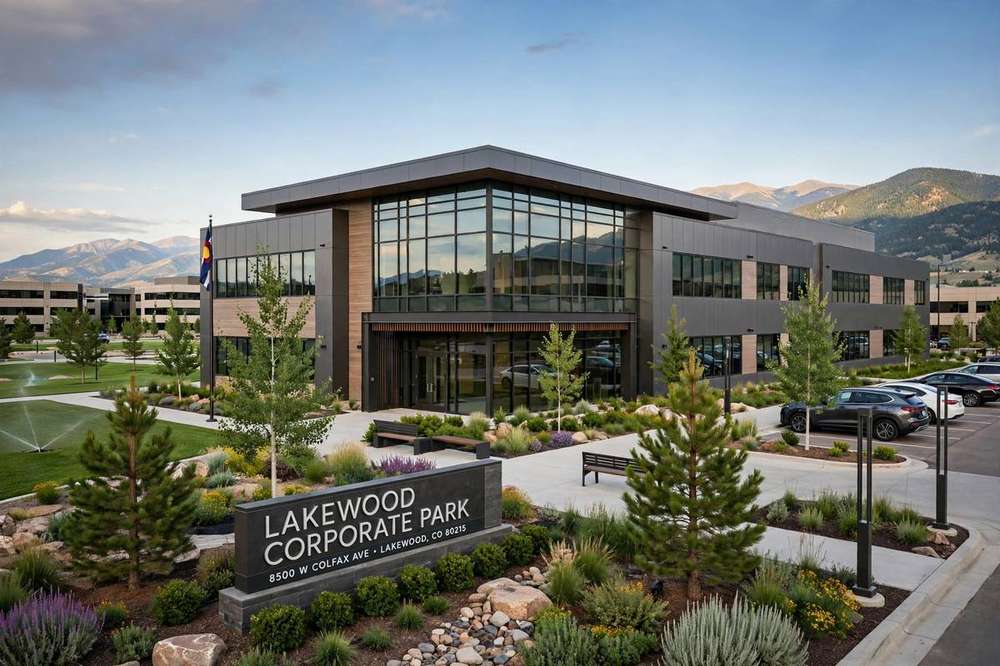
Two Creeks holds the city's first subdivision, the Lakewood Subdivision platted in 1889, and the oldest street grid in Lakewood, much of it built without curb, gutter or sidewalk. The 1940s-50s stock brings galvanized and clay to the end of their life, the horse lots bring long laterals and barn hydrants, and the multifamily buildings next door bring shared stacks.
A lateral in the ground since the 1940s or earlier, past repair, gets a full replacement: modern pipe, correct slope, and a camera-verified connection to the district main. On streets without curb, gutter or sidewalk the route is the detail to plan first, because the lateral runs under ground that was never built for access.
View service →02Galvanized pipe corrodes from the inside and narrows, so every fixture loses pressure and the water runs brown after the taps sit unused. The failing runs are replaced with modern pipe throughout the home, and the flow comes back.
View service →03On the oldest street grid in the city the camera matters most, because the lateral can be older than the house above it and no one alive remembers how it was laid. Roots, breaks, bellies and bad joints show up on the camera pass, and the fix is built around the footage.
View service →04When drains slow in a multifamily building, the shared stack or the common line is usually the cause; when they slow on a horse lot, a clay lateral with roots at the joints usually is. The blockage clears with a snake, and hydro jetting scours the wall afterward, so the oldest laterals do not clog again at the same joint.
View service →05A leak from the 1940s-50s stock can hide in a wall, under a slab or out in the yard, and a service-line leak on a large lot can surface far from the house. A listening device, a pressure test and a camera run pin the leak down, so the house is not opened to hunt for it.
View service →06A barn burst, a multi-unit backup, or a heater failure will not hold for business hours. The (720) 909-6690 line is answered around the clock, every day of the week.
View service →07High-pressure water scours grease, scale and roots from the inside of a drain or sewer line. The camera pass after jetting shows whether the line is genuinely clean. A shared stack can read clear at one unit and still hold a blockage lower down.
View service →08Lining or bursting a pipe repairs or replaces a sewer line with far less digging, which matters on streets that were never built with curb, gutter or sidewalk, where the yard, the driveway and the unpaved edge sit over the lateral. Whether trenchless fits a line this old is the camera's call.
View service →09A permit is needed for gas piping work in Lakewood, and a new gas line to an outbuilding or a barn needs its route planned before the trench is dug. The line gets sized to the load, run to code, and permitted before the work starts. If you smell gas, get out of the property and call 911 or Xcel Energy first.
View service →Two Creeks work starts with the plat date and the lot. The 1889 Lakewood Subdivision is the oldest street grid in the city, and the 1940–50 majority housing around it carries galvanized supply and clay laterals that are 70-plus years old. The streets were built without curb, gutter, or sidewalk, so laterals run long and the camera maps the line before any digging is planned. Horse lots and multifamily buildings share the same blocks, so the assessment names the building type first — long lateral and barn lines, or shared stacks and common drains. The governing code is the 2021 IPC, adopted by Lakewood's Municipal Code Chapter 14.05 (Ordinance O-2023-16), over the Colorado Plumbing Code. Fees follow valuation under the current resolution; the Permit Counter at 303-987-7500 confirms the figure.
The Lakewood Subdivision was platted in 1889, and the laterals on these streets are the oldest in the city. We camera first, because a 70-plus-year-old clay lateral is assessed joint by joint, not assumed.
Large-lot single-family housing that allows horses sits directly beside multifamily units. The assessment names the building type first — long lateral and barn lines, or shared stacks and common drains.
The streets were built without curb, gutter, or sidewalk, which changes lateral access and excavation. The camera maps depth and path before any digging is planned.
Ordinance O-2023-16 put the 2021 IPC into Chapter 14.05 of the Lakewood Municipal Code. The postwar houses and multifamily buildings here answer to Chapters 25-33 of the 2021 IRC for residential work.
Permit fees are set by the value of the job under the valuation schedule in Resolution R-2025-69, effective 1 January 2026. Before permitted work starts, confirm the figure with the Lakewood Permit Counter at 303-987-7500.
Two Creeks is the deep-history neighborhood: the 1889 Lakewood Subdivision, the oldest street grid in the city, and the most mixed plumbing on one block, with horse lots next to apartments on streets that were never built with curb, gutter or sidewalk.
Inside a galvanized line the pipe narrows as corrosion builds. Pressure drops at every fixture, and the water turns brown after the taps sit unused. That is the early sign of a system narrowing from the inside. It will not improve on its own.
Clay laterals from the 1940s-50s stock fail where the joints are, with roots entering and the ground shifting. On the oldest street grid a lateral can be older than the house above it, and a line that keeps blocking at the same joint is usually telling you about the joint rather than the clog.
When several apartments back up together, the problem sits in the shared stack or the common line, not in one unit. That is a building problem. More fixtures in use make it worse, so the fix starts at the stack.
Barn hydrants and outbuilding lines sit exposed to the first freeze, which usually lands between late October and mid-November. A hydrant that froze once will freeze again unless it is drained, insulated or rerouted, and a split line can run into the ground for days before it shows.
Two Creeks is navigated by its avenues and its history. Colfax Avenue and 10th Avenue run through it, Simms Street and Kipling Street are the cross streets, the West Colfax corridor runs along the edge, and the 1889 Lakewood Subdivision is the historic heart. We use the avenues to place a call and the subdivision to place the oldest streets.
The Lakewood Subdivision, platted in 1889, is the city's first subdivision and sits in the heart of Two Creeks. It is the historic landmark for the whole neighborhood.
West Colfax Avenue runs through the neighborhood, and the West Colfax corridor is the adjacent growth and reinvestment area.
West 10th Avenue runs through the neighborhood and is one of the main east-west routes for the north side.
Simms Street and Kipling Street are the north-south cross streets for the neighborhood, and the routes in from the west and the east.
The West Colfax corridor runs along the edge of the neighborhood and is the adjacent growth and reinvestment area.
We serve Two Creeks across its 1889 grid, from the horse lots to the multifamily buildings on the same blocks, and from West Colfax Avenue to the Colfax and I-70 edge. The areas below are the parts of the neighborhood and the nearby north-Lakewood neighborhoods we work in most.
NE Lakewood pairs 1940-50 horse property with multifamily on the same block, along the Sheridan Boulevard edge, and its long laterals and barn hydrants are the same work as Two Creeks.
Morse Park holds Lakewood's oldest surviving housing core, with 335 buildings from 1900 to 1940, and its lead-line screening is the older counterpart to Two Creeks' era.
Applewood is the next neighborhood over, with 1960s-70s homes and mature trees, and its root intrusion and slab-leak work are the newer counterpart to Two Creeks' era.
Eiber has the deepest era stack in Lakewood, from the 1860s farm era through the 1920s streetcar suburb and the WWII surge, so lead, galvanized, Orangeburg and copper all appear in sequence.
The jobs below are the patterns that come up most often on the oldest street grid in the city, described as typical calls rather than one specific visit. The 1889 subdivision, the horse lot and the apartment building sit side by side, and the three jobs show all three.
On the oldest street grid a lateral can be collapsed or root-filled at several joints at once. The camera shows the damage, and the decision between a trenchless repair and a full replacement follows what the camera found, with the route planned first on streets without curb or gutter.
In a 1940s home where pressure has dropped at every fixture and the water runs brown after sitting, corroded galvanized supply lines are usually the cause. We test the pressure at several fixtures to assess whether the run or the whole system needs replacing.
When several apartments back up together, the problem sits in the shared stack or the common line. The usual approach is a camera pass on the stack, a clearing of the blockage, and a check of the common line before any unit work is planned.
Arrived in less than an hour and completed the job in less than two hours for a very good price.
Emergency Plumber Lakewood came through for me when I had a problem with my water. They were easy to work with, explained everything, and got it fixed fast. I'd definitely call them again and recommend them to anyone who needs a plumber. 5 stars!
Awesome service
Two Creeks runs on the oldest street grid in the city — the Lakewood Subdivision, platted in 1889, sits in the heart of the neighborhood — so its year is the year of the oldest laterals in Lakewood, on streets that were never built with curb, gutter, or sidewalk. The West Colfax corridor edge and Denver West add a second rhythm: reinvestment and retail next door to 1940s homes.
Spring is root season on the oldest laterals in the city. The 1940s–50s clay tile runs are 70-plus years old, and roots find the joints every spring; the pre-1940 homes near the 1889 subdivision add the lead-era question on top. A slow drain scoped in spring is a joint repair; the same drain in June is a backup.
Summer is the digging season for the long laterals and the season the West Colfax corridor does its work. The ground is workable, a trench can be opened and restored across a large lot, and a repipe can be staged while the household keeps running. Denver West, the retail and office base at the Colfax and I-70 edge, keeps the eastern streets busy through the working day.
Fall brings the first hard freeze between late October and mid-November, and the horse lots feel it first — barn lines, paddock hydrants, and outbuilding runs freeze before anything inside the house. The multifamily buildings on the same blocks follow at the hose bibbs and common-area runs.
Winter tests the 1940s–50s galvanized supply hardest, and the coldest nights run through February. A tank in a garage or crawlspace recovers slowest in the coldest month, and a pre-1940 home may still carry a lead-era service line — checked by address, not assumed.
Two Creeks sits in north Lakewood, and the neighborhoods below are the ones around it. If you are in one of them, the same 1940s-50s era and horse-property issues usually apply.
Two Creeks holds the city's first platted subdivision — 1889 — and the most mixed housing in Lakewood, so the questions below are written for the oldest street grid in the city and the horse lots beside the apartments on it.
The Lakewood Subdivision, platted in 1889, is in the heart of the neighborhood, and the majority of housing was built in 1940 to 1950, with a number of homes pre-1940. Ask how old the lateral is — the oldest service lines in Lakewood are on these streets.
Large-lot single-family housing that allows horses sits directly beside multifamily units here. The two need different work: long laterals and barn lines on one, shared stacks and common drains on the other.
Pre-1940 homes, including any survivors near the 1889 subdivision, may carry lead-era service lines. Ask whether the address should be checked and whether it qualifies for the Denver Water Lead Reduction Program.
The laterals here are 70-plus years old and run long under ground that was never built with curb, gutter, or sidewalk. The camera shows the joints, roots, and offsets before any digging is planned.
Sewer work, repiping, gas piping, water-heater replacement, fixture installs, and water service lines need a permit when the work triggers one — and the fee follows valuation, so the Permit Counter at 303-987-7500 is the place to confirm it. Ask whether this job needs one and who arranges it.
The 2021 International Plumbing Code governs the work on the oldest street grid. It came into Lakewood law through Chapter 14.05, Ordinance O-2023-16, with the Colorado Plumbing Code below it. On the oldest street grid the code covers the lateral and repipe work that comes up most often.
For the big jobs, a permit is needed, and in Two Creeks that usually means a water heater replacement, a service line, gas piping, or sewer and repipe work on a 1940s-50s house. Which jobs need one gets confirmed before work is agreed.
Lakewood's permit fees are valuation-based under Resolution R-2025-69, in effect since 1 January 2026. No flat figure applies. The Lakewood Permit Counter, 303-987-7500, confirms the fee for a given job.
Postwar houses and the multifamily buildings on the oldest street grid fall under Chapters 25-33 of the 2021 International Residential Code for their residential plumbing work.
Testable backflow assemblies get tested every year by a certified tester, and the results go to the water provider. Irrigation systems are the most common residential trigger, and the provider follows the address here, with Daniels Sanitation District serving part of north Lakewood and Consolidated Mutual Water Company serving much of the north and west.
Homes built before 1951 fall under Denver Water's Lead Reduction Program. No Lakewood-only lead-line count exists. Screening runs address by address. In Two Creeks the check matters for the earliest builds, including any survivors near the 1889 subdivision.
If you smell gas, get out of the property first and call 911 or Xcel Energy, then call a plumber after. Never stay inside to look into a suspected leak.
The city's first subdivision, the Lakewood Subdivision, was platted in 1889 in the heart of Two Creeks. The majority of housing was built in 1940 to 1950, with a number of homes pre-1940, on streets that were built largely without curb, gutter or sidewalk.
Homes of the 1940s-50s stock typically have galvanized steel supply lines, cast-iron drain stacks and clay tile laterals, with possible lead service lines in pre-1940 homes, including any survivors near the 1889 subdivision. Because the housing is so interspersed, pipe age varies house by house more than in a uniform subdivision.
A lateral replacement on a curbed subdivision street is a short, defined dig. On a Two Creeks street, the lateral runs under ground that was never built with curb or sidewalk, and the access has to be planned around the lot and the street pattern, not around a standard layout.
Pre-1940 homes, including any survivors near the 1889 subdivision, may have lead service lines. The Denver Water Lead Reduction Program covers pre-1951 homes, so eligibility is worth checking by address before any supply-line work is planned.
Yes. We are open 24 hours, every day, and the phone number is (720) 909-6690. A burst pipe, a sewer backup or a shared stack backing up across units is an emergency call at any hour.
Not seeing your question? Our local team can help you understand urgency, scheduling and what to expect.
Ask the local teamCall (720) 909-6690 any hour. We are open 24 hours, every day, for Two Creeks' horse lots and its apartment buildings alike.