Clear arrival updates
Useful updates and clear timing once a visit is booked.
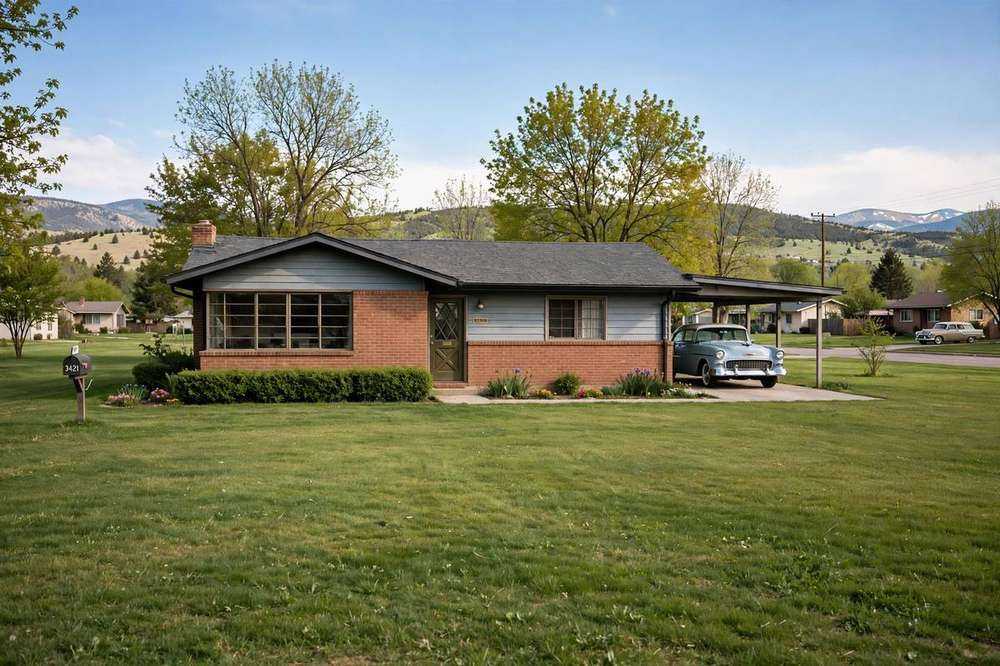
Lasley is the oldest neighborhood in south Lakewood, and that age is the whole plumbing story. Most of the neighborhood was built in two frames, 1940 to 1959 and 1960 to 1970, so the core carries the galvanized and clay profile of the postwar decades, while the White Fence Farm development near Jewell Avenue, built around 2000, sits inside the same boundary with modern PEX and copper. One neighborhood, two pipe eras, and the contrast between them is what every job here starts from. We are open 24 hours, every day, at (720) 909-6690.
Useful updates and clear timing once a visit is booked.
Review the approach before deciding, with the work explained in plain terms.
Equipped vehicles and respectful cleanup.
Neighbors serving neighbors with follow-through.
Lasley is the south-side counterpart to Eiber and Morse Park in the north: the only south neighborhood whose core predates the 1960s-70s build-out around it. The housing is smaller-lot single-family, with several pockets of residential properties that permit horse-keeping, and the core is the 1940-59 and 1960-70 frames from the city plan. Homes of the 1940s-60s core typically have galvanized supply lines, cast-iron drains and clay laterals, with possible pre-1951 lead service lines in the earliest builds. The White Fence Farm development, built around 2000 near Jewell Avenue, typically has PEX or copper supply lines and PVC drains. South-central Lakewood falls in Bancroft-Clover territory, serving more than 66,000 people, and in September 2026 Bancroft-Clover announced it is working with Denver Water to investigate suspected lead service lines. The Jewell Avenue and Wadsworth Boulevard intersection is identified in the city plan as a reinvestment and growth area, and Mission Trace Shopping Center at US 285 and Wadsworth serves the area.
Lasley is south Lakewood's oldest stock. The core was built in two frames, 1940-59 and 1960-70, and it brings galvanized supply lines and clay laterals to the end of their life, while the White Fence Farm infill from around 2000, near Jewell Avenue, brings modern PEX and copper jobs inside the same neighborhood boundary.
Corrosion narrows galvanized supply lines from the inside, so pressure fades fixture by fixture and the water runs brown after the taps sit unused. Replacing the failing supply runs with modern pipe, through the whole home, restores flow across the house.
View service →02A clay lateral from the 1940s-60s core that is past repair gets a full replacement: modern pipe, correct slope, and a camera-verified connection to the district main. On the smaller lots here the route matters, because the yard, the driveway and the house sit close together.
View service →03On a smaller lot the camera matters more, not less, because there is little room to dig in the wrong place. Roots, a break, a belly or a bad joint all show on the camera pass, and the fix follows the footage.
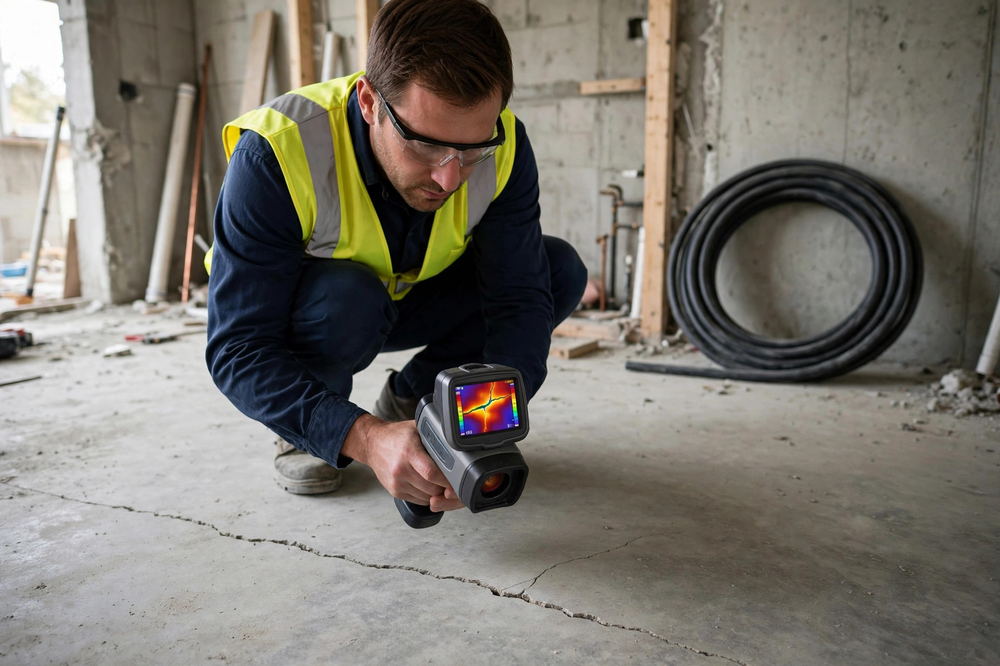
View service →04In a postwar house a leak can sit in a wall, under a slab or out in the yard, and a service-line leak can surface as a damp patch far from any fixture. Listening gear, pressure tests and a camera trace the leak, so the house stays closed while the source gets found.
View service →05A tank heater in a 1940s-60s house is often several replacements on from the original, and the venting and the sizing have to fit the house. We install the new tank to code, pull the permit Lakewood requires, and haul the old tank away.
View service →06A burst pipe, a sewer backup or a heater failure will not wait for business hours, and in the oldest south-side stock a failure can be a galvanized line giving up all at once. The line at (720) 909-6690 is answered day or night.
View service →07In the postwar core, slow drains usually mean the main line rather than one fixture, and the main line is usually a clay lateral with roots at the joints. The blockage comes out with a snake, and where the pipe needs it, hydro jetting scours the wall instead of merely piercing the clog.
View service →08Faucets, toilets, showers, tubs and sinks go in, get tested for leaks, and the shutoffs get checked so the next repair skips a whole-house shutoff. In a house where the original shutoffs have seized, that check is half the job.
View service →09Lining or bursting a pipe repairs or replaces a sewer line with far less digging, which matters on the smaller lots here, where the yard, driveway or patio sits over the lateral. The camera decides whether trenchless fits the line.
View service →Tell the two eras apart before starting. The 1940-59 and 1960-70 core carries galvanized supply, cast-iron drains and clay laterals, while the White Fence Farm infill from around 2000 carries PEX and copper with PVC drains, so the same street can need a repipe on one side and a fixture install on the other. The code Lakewood adopted is the 2021 International Plumbing Code, in Municipal Code Chapter 14.05, with the Colorado Plumbing Code sitting underneath it. A permit is required for replacing a water heater, running a service line, installing fixtures, gas piping, drain and sewer work, and replacing a sewer line or repiping. Fees follow the valuation schedule in Resolution R-2025-69, effective 1 January 2026, so no flat dollar figure exists to quote. The Lakewood Permit Counter at 303-987-7500 confirms the fee before work that needs a permit. On the oldest lots we also check the service line material before any supply work, because a pre-1951 lead line changes the plan.
Galvanized supply lines in the 1940s-60s core are at the end of their life. Corrosion narrows them from the inside, so pressure drops at every fixture and the water runs brown after the taps sit unused. We test pressure at several fixtures and assess whether the run or the whole system needs replacing.
Under smaller lots, clay laterals fail at the joints, where roots enter and the ground shifts. A camera inspection shows whether the fix is a clearing, a spot repair or a replacement before any digging starts, and on a small lot that order matters, because there is little room to dig twice.
The boundary between the postwar core and the White Fence Farm infill is the boundary between two pipe eras. A house from around 2000 typically has PEX or copper supply and PVC drains, while a house across the street from the 1940s-50s typically has galvanized supply and clay laterals. We identify the material before quoting the work, because the era decides the job.
Ordinance O-2023-16 put the 2021 IPC into Lakewood Municipal Code Chapter 14.05. The postwar houses here also answer to Chapters 25-33 of the 2021 International Residential Code.
Since the fee follows the valuation schedule in Resolution R-2025-69, the figure depends on the job. The Lakewood Permit Counter on 303-987-7500 confirms it before work starts.
Lasley is the south-side counterpart to the prewar north, the only south neighborhood whose core predates the 1960s-70s build-out around it. That age is the story: galvanized and clay and lead-era pipe in the core, set against modern infill from around 2000 on the same boundary.
Corrosion inside a galvanized line narrows the pipe. Pressure drops at every fixture, and the water runs brown after the taps sit unused. That is the early sign of a system narrowing from the inside, and it does not improve on its own.
Joints are where clay laterals from the 1940s-60s core fail, with roots entering and the ground shifting. A lateral that backs up when flow is highest, in spring root season or after heavy rain, is usually telling you about a joint rather than a clog.
The earliest builds may have lead service lines, and the check is worth doing before supply-line work is planned. Bancroft-Clover, which serves much of south-central Lakewood, announced in September 2026 that it is working with Denver Water to investigate suspected lead service lines, and the Denver Water Lead Reduction Program covers pre-1951 homes by address.
Outdoor lines on the horse-keeping pockets here sit exposed to the first freeze, which usually lands between late October and mid-November. A hydrant or exterior line that froze once will freeze again unless it is drained, insulated or rerouted.
Lasley sits in south Lakewood around Jewell Avenue and Wadsworth Boulevard, with the shopping center at US 285 and Wadsworth as the commercial anchor. We use the Jewell and Wadsworth intersection to place a call, and the White Fence Farm area to place the newer homes.
The Jewell and Wadsworth intersection is identified in the city plan as a reinvestment and growth area, and it is the main crossroads for the neighborhood.
Mission Trace Shopping Center at US 285 and Wadsworth serves the area and is the commercial landmark for the southern side of Lasley.
White Fence Farm is the newer development inside the neighborhood, built around 2000 near Jewell Avenue, with modern PEX or copper supply lines and PVC drains.
Several pockets of residential properties in Lasley permit horse-keeping. Their exterior runs and outbuilding lines are the freeze risk the smaller lots do not have.
South-central Lakewood falls in Bancroft-Clover territory, serving more than 66,000 people. The provider follows the address, so we confirm it per job.
We serve Lasley across both its eras: the 1940s-50s and 1960s-70s core and the White Fence Farm infill near Jewell Avenue, including the horse-keeping pockets. The areas below are the parts of the neighborhood and the nearby south-Lakewood neighborhoods we work in most.
Kendrick Lake is the next neighborhood over, with 1960s-70s split-levels on sloped ground around the reservoirs, a decade-plus newer than Lasley's core.
Carmody pairs 1970s split-levels with a western horse fringe, so its lower-level bathrooms and barn hydrants are a useful comparison for Lasley's own horse pockets.
Thraemoor is the summer-cabins-turned-suburb neighborhood around Ward Reservoir Number 1, with the widest pipe-era mix on one street in Lakewood.
South Alameda combines 1950s brick ranches, manufactured-home communities and 130-acre Belmar Park, and its galvanized repipe work is the same era as Lasley's core.
The patterns below are the calls that come up most often in Lasley, described as typical jobs rather than one specific visit. The postwar core and the newer infill fail in different places, so the three jobs sit on opposite sides of the same boundary.
In a 1940s-50s home where pressure has dropped at every fixture and the water runs brown after sitting, corroded galvanized supply lines are usually the cause. We test pressure at several fixtures and assess whether the run or the whole system needs replacing, and we check the service line material before any supply work is planned.
Roots can sit at several joints in a lateral from the 1940s-60s core. The camera shows the joints and the damage, the roots are cleared, and whether the answer is a spot repair or a replacement follows what the camera found, with trenchless work an option where the line allows it.
A house from the White Fence Farm infill, built around 2000, typically has PEX or copper supply and PVC drains, so the work there is fixture and water-heater work rather than repiping. A new fixture install includes checking the shutoffs, because a seized shutoff turns a small job into a whole-house shutoff.
Very impressed did a great job
Amazing company! These guys would put Mario and Luigi to shame. Very detail oriented and thorough with their jobs and surprisingly affordable. Also extremely quick with follow up and responding to messages and phone calls.
Awesome service
The year here is a postwar year. Spring brings root growth in the clay laterals, summer opens the window for repipe and sewer work, the fall freeze finds the horse-keeping pockets, and winter is when the oldest lines give up.
Spring brings snowmelt and root growth together, and a clay lateral that drained all winter can start blocking at a joint in spring. A slow drain checked by camera in spring catches root intrusion before it becomes a backup.
With the ground workable and the smaller lots dry, summer is the window for repiping and sewer work. After a winter of hard use, a water heater flush and a tankless descale fit the season here too.
Between late October and mid-November the first hard freeze usually arrives, and outdoor lines on the horse-keeping pockets feel it first. A hydrant or exterior line that froze last winter is the one to protect first.
Winter is when frozen pipes and water heater failures peak. The February 2021 cold snap is the reminder of how cold it gets, with a high of 1F and a low of -14F on 14 February. In the oldest stock a galvanized line can give up all at once in a hard freeze.
Lasley sits in south Lakewood, and the neighborhoods below are the ones around it. If you are in one of them, the same postwar-era and sloped-lot issues usually apply.
Two eras share one boundary in Lasley, and they raise different questions. Five are worth asking, and each answer should fit the house in front of us, not a generic house.
Ask for the work in plain words, starting with which era the house belongs to. A repipe plan for a 1940s core house looks nothing like a fixture plan for a house built around 2000, and the description should show which one it is.
A pressure reading tells the story first in the postwar core, backed by camera footage and the failed part itself. The camera matters most there, because the lateral is clay and the joints are where the trouble starts.
Replacing a water heater usually needs a permit. So do service lines, gas piping and sewer work. Ask who is responsible for the permit and what it covers before the work is agreed.
Move what blocks the fixture, the water heater or the cleanout before the visit. On a smaller lot it helps to know where the cleanout sits, and the shutoff should be found before we arrive.
Reach the same crew after the visit at (720) 909-6690, day or night. A follow-up question or a new problem reaches the people who did the work.
Lakewood adopted the 2021 International Plumbing Code in Municipal Code Chapter 14.05, through Ordinance O-2023-16, with the Colorado Plumbing Code underneath it. In the postwar core the code governs the repipe and lateral work that comes up most often.
For the big jobs, a permit is needed, and in Lasley that usually means a water heater replacement, a service line, gas piping, or sewer and repipe work in the 1940s-60s core. We confirm which jobs need one before agreeing the work.
Under Resolution R-2025-69, which took effect 1 January 2026, Lakewood's permit fees are valuation-based, so no flat figure applies. Call the Lakewood Permit Counter at 303-987-7500 to confirm the fee for a given job.
Postwar houses and the White Fence Farm infill built around 2000 fall under Chapters 25-33 of the 2021 International Residential Code for their residential plumbing work.
A certified tester tests the testable backflow assemblies once a year, and the results go to the water provider. Irrigation systems are the most common residential trigger, and Bancroft-Clover is the district to file with for much of south-central Lakewood.
Pre-1951 homes are covered by Denver Water's Lead Reduction Program. Since no Lakewood-only lead-line count exists, screening runs address by address. In Lasley the check matters, because the earliest builds predate 1951 and Bancroft-Clover is investigating suspected lead lines with Denver Water.
Smell gas? Leave the property first, then call 911 or Xcel Energy before calling a plumber. Do not stay inside investigating a suspected leak.
Most of Lasley was built in two frames, 1940 to 1959 and 1960 to 1970, which predates the 1960s-70s build-out of the neighborhoods around it, including Kendrick Lake and Carmody. The core carries the galvanized, cast-iron and clay profile of the postwar decades, while the White Fence Farm development near Jewell Avenue, built around 2000, is the contrast case inside the same boundary.
Homes built before 1951 may have lead service lines. The Denver Water Lead Reduction Program covers pre-1951 homes, and Bancroft-Clover announced in September 2026 that it is working with Denver Water to investigate suspected lead service lines. The check is by address.
Homes of the 1940s-60s core typically have galvanized supply lines, cast-iron drains and clay laterals. The White Fence Farm infill from around 2000 typically has PEX or copper supply lines and PVC drains. The material is always era-based, never assumed for a single house without checking.
White Fence Farm is the newer development inside Lasley, built around 2000 near Jewell Avenue. Its homes typically have modern PEX or copper supply lines and PVC drains, which is a different job from the postwar core beside it.
Yes. We are open 24 hours, every day, and the phone number is (720) 909-6690. A burst pipe or a sewer backup is an emergency call at any hour.
Not seeing your question? Our local team can help you understand urgency, scheduling and what to expect.
Ask the local teamCall (720) 909-6690 any hour. We are open 24 hours, every day, for Lasley's postwar core and its White Fence Farm infill alike.