Clear arrival updates
Useful updates and clear timing once a visit is booked.
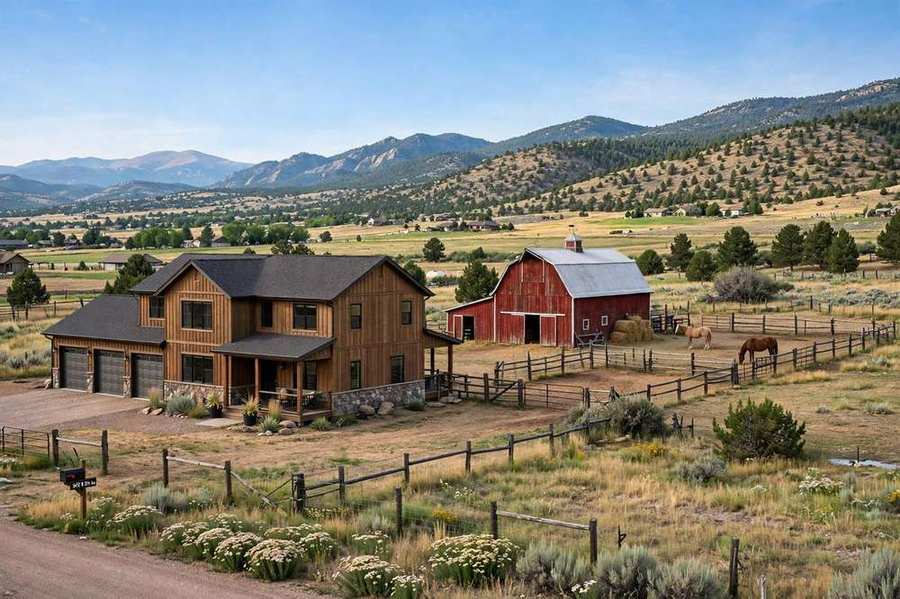
North Alameda is the semi-rural neighborhood inside the central city. Larger-lot single-family properties that allow horses sit a mile from downtown Lakewood and Belmar, on streets that were developed largely without sidewalks in the horse-property pockets, and the plumbing follows that pattern: long homeowner-owned laterals across large lots, barn and paddock hydrants, and frost-free yard hydrants that freeze in Lakewood winters, while the multifamily buildings on the same streets need stack and common-drain work. We are open 24 hours, every day, at (720) 909-6690.
Useful updates and clear timing once a visit is booked.
Review the approach before deciding, with the work explained in plain terms.
Equipped vehicles and respectful cleanup.
Neighbors serving neighbors with follow-through.
North Alameda sits in central Lakewood, north of West Alameda Avenue, between Sheridan Boulevard in the east and Kipling Street in the west, with US 6 to the north and Alameda Avenue to the south, bordering the Belmar and downtown area to the south. A large portion of Lakewood's oldest housing stock, constructed in 1940 to 1959, is in North Alameda, with Creighton and South Alameda, and there are smaller pockets from before 1940. The roots are in late-1800s and early-1900s farming and ranching, and parts of the neighborhood retain a semi-rural feel. Homes of the 1940s-50s stock typically have galvanized steel supply lines, cast-iron drain stacks and clay tile laterals, with possible lead service lines in the pre-1940 pockets, and later infill is copper and PVC. Basements are standard in the 1940s-50s single-family stock. The Alameda Water and Sanitation District, which serves this area, is headquartered in the neighborhood at 359 South Harlan Street, Lakewood, CO 80226.
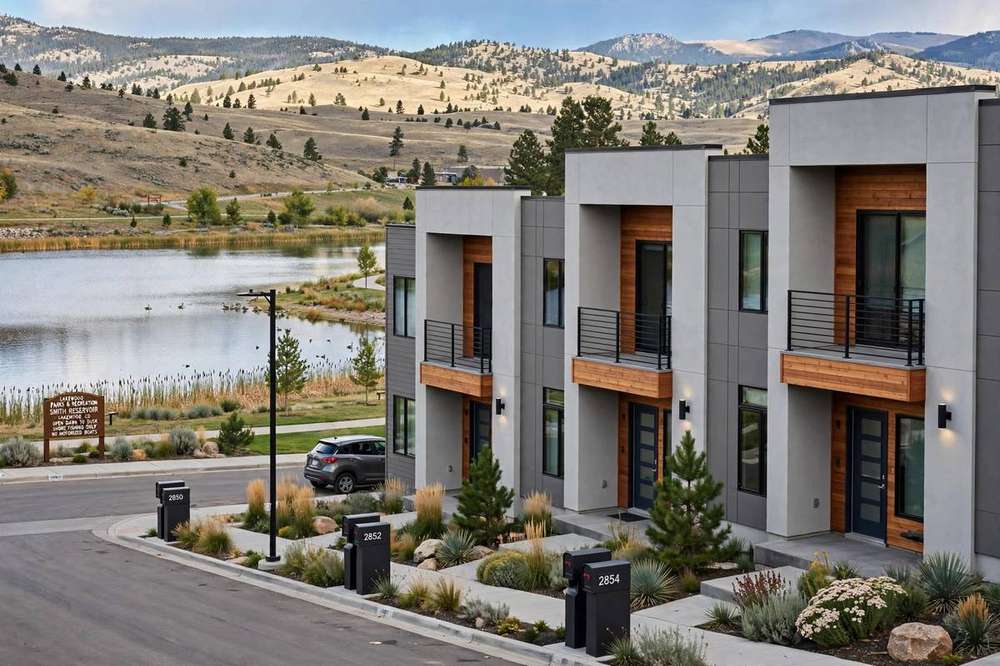
A mile from downtown Lakewood and Belmar, North Alameda still feels semi-rural. Larger-lot single-family properties that allow horses stand among multifamily buildings on the same streets, with 1940s-50s galvanized and clay underneath both, so the work is long laterals and frost-free hydrants on one side and shared stacks on the other.
A long lateral across a large lot, past repair, gets a full replacement: modern pipe, correct slope, and a camera-verified connection to the district main. In most Lakewood districts the homeowner owns the lateral to the main, and on a large lot that is a long run to own.
View service →02A galvanized line narrows from the inside as it corrodes, dropping pressure at every fixture and turning the water brown after the taps sit unused. Whole-home replacement of the failing supply runs with modern pipe restores the flow across the house.
View service →03A run tucked into a crawl space, an exterior wall, a barn or an outbuilding on a semi-rural lot is the first to freeze. We thaw it without a torch, remove the split section, and rework the insulation and routing so the same spot holds through the next cold snap.
View service →04A camera pass matters more on a long lateral, not less, because the line runs a long way from the house to the main. The footage shows roots, breaks, bellies and bad joints, and the Alameda Water and Sanitation District main is the connection point to verify.
View service →05A multifamily building with slow drains usually has a shared-stack or common-line fault, while a horse lot with slow drains usually has a clay lateral with roots at the joints. The snake takes out the blockage; hydro jetting then scours the wall, so a shared stack does not clog again at the same spot.
View service →06Business hours do not bind a barn burst, a backup across several units, or a heater failure. Call (720) 909-6690 at any hour, day or night.
View service →07A large-lot leak can sit in a wall, under a slab or out in the yard, and a service-line leak can surface far from the house. Listening equipment, a pressure test and a camera run trace the leak to its source, and the walls stay shut.
View service →08Under high-pressure water, the inside of a drain or sewer line sheds its grease, scale and roots. After jetting, a camera pass confirms the line is truly clean. In a shared stack that confirmation matters, since one clear unit does not mean a clear stack.
View service →09No heat, a leak at the base, or a pilot that will not stay lit: we diagnose the tank on site and repair it where the unit is worth saving. In a 1940s-50s house the tank often sits in a basement that has seen seventy years of winters, and the venting and sizing have to fit the house.
View service →The lot decides the job here, and the lots are not alike. A larger-lot horse property needs a long homeowner-owned lateral and frost-free yard hydrants, while the multifamily building on the same street needs shared stacks and common drains, and the 1940s-50s galvanized and clay underneath both is at the age where it fails. The standard the work answers to is the 2021 International Plumbing Code, adopted by Lakewood under Municipal Code Chapter 14.05, with the Colorado Plumbing Code below it. Permits are required in Lakewood for a water heater replacement, a service line, fixture work, gas pipe, drain and sewer repairs, a sewer replacement, and a repipe, and the fees are valuation-based under Resolution R-2025-69, in effect since 1 January 2026, so the figure depends on the job. For a fee confirmation, the Lakewood Permit Counter is at 303-987-7500. The Alameda Water and Sanitation District, headquartered at 359 S Harlan St in this neighborhood, is the district to confirm with on the sewer side.
More joints means more places to fail on a long lateral across a large lot, and roots get in at the joints. In most Lakewood districts the homeowner owns the lateral to the main, so a camera inspection shows whether the fix is a clearing, a spot repair or a replacement before any digging starts on a line this long.
A frost-free yard hydrant is only frost-free if the shutoff sits below the freeze line and the line drains back when it closes. A hydrant that froze once will freeze again unless the shutoff depth, the drainage and the insulation are all checked, and a split hydrant line can run into the ground for days before it shows.
More than one apartment backing up together means the shared stack or the common line is at fault, not a single unit. That is a building problem, and it worsens as more fixtures are used, so the fix starts at the stack rather than at the unit that called first.
Ordinance O-2023-16 adopted the 2021 IPC into Lakewood Municipal Code Chapter 14.05, and the residential work in the postwar houses and multifamily buildings here falls under Chapters 25-33 of the 2021 IRC.
Permit fees follow the valuation schedule in Resolution R-2025-69, effective 1 January 2026, and are set by the value of the job. Before permitted work starts, the Lakewood Permit Counter, 303-987-7500, confirms the figure.
Semi-rural lots and multifamily buildings share the same streets here, and the 1940s-50s galvanized and clay underneath both is at the age where it fails. The large lot and the apartment building fail in different places, and one's fix is not the other's.
As a galvanized line corrodes from the inside it narrows. Pressure falls at every fixture, and the water turns brown after the taps sit unused. That is an early sign of a system narrowing from the inside. It does not improve on its own.
The joints are the failure point for clay laterals from the 1940s-50s stock, where roots enter and the ground shifts. On a long lateral across a large lot there are more joints to fail, and a lateral that backs up when flow is highest is usually telling you about a joint rather than a clog.
A frost-free yard hydrant is only frost-free if the shutoff sits below the freeze line and the line drains back when it closes. A barn or yard hydrant that froze once will freeze again unless the shutoff depth, the drainage and the insulation are all checked.
More than one apartment backing up together means the shared stack or the common line is at fault, not a single unit. That is a building problem, and it worsens as more fixtures are used, so the fix starts at the stack.
North Alameda is navigated by its avenues and its district office. Alameda Avenue is the southern boundary, Sheridan and Kipling are the east and west edges, US 6 is the north, and the Alameda Water and Sanitation District office on South Harlan Street is the landmark for the water system itself.
The Alameda Water and Sanitation District is headquartered in the neighborhood at 359 South Harlan Street, Lakewood, CO 80226, and it serves this area.
West Alameda Avenue is the southern boundary of the neighborhood and the main east-west route through central Lakewood.
Sheridan Boulevard is the eastern edge of the neighborhood, and the route in from the Denver side.
Kipling Street is the western edge of the neighborhood, and the route in from the west side of Lakewood.
The Belmar and downtown area sits just south of the neighborhood, a mile from the horse lots, and its redevelopment brings construction-era water shutoffs and main work to plan around.
We serve North Alameda across its horse lots and its multifamily streets, from Sheridan Boulevard in the east to Kipling Street in the west, and from US 6 in the north to Alameda Avenue in the south. The areas below are the parts of the neighborhood and the nearby central-Lakewood neighborhoods we work in most.
South Alameda is the neighborhood across Alameda Avenue, combining 1950s brick ranches, manufactured-home communities and 130-acre Belmar Park.
Creighton holds a large share of Lakewood's oldest central stock, built 1940-59, with galvanized and clay at end of life and lead-service-line screening as the opening question.
Eiber has the deepest era stack in Lakewood, from the 1860s farm era through the 1920s streetcar suburb and the WWII surge, so lead, galvanized, Orangeburg and copper all appear in sequence.
Belmar Park shares North Alameda's 1940s-70s single-family pattern, and its page keeps that story apart from the 2004-and-later Belmar district condos and townhomes.
The same three calls come up again and again on these semi-rural central streets, where a large lot and an apartment building stand side by side. What follows is typical work, not one specific visit.
Roots find several joints in one long lateral across a large lot. The camera shows where the joints are and how bad the damage is. Clearing the roots comes first, and the footage then settles the choice between a spot repair and a replacement.
A frost-free hydrant that split after the first freeze will split again unless the run is changed. The split section gets replaced, then the shutoff depth, the drainage and the insulation are checked before the next freeze.
Several apartments backing up together points at the shared stack or the common line. The stack gets cameraed, the blockage cleared, and the common line checked before any unit work is planned.
great service
Awesome service
Amazing company! These guys would put Mario and Luigi to shame. Very detail oriented and thorough with their jobs and surprisingly affordable. Also extremely quick with follow up and responding to messages and phone calls.
The year here is a semi-rural year in the central city. Spring brings root growth in the long laterals, summer opens the window for the heavy work, the fall freeze finds the yard hydrants, and winter is when the oldest lines give up.
Spring brings snowmelt and root growth together, and a clay lateral that drained all winter can start blocking at a joint. A slow drain checked by camera in spring catches root intrusion before it turns into a backup.
With the ground workable and the large lots dry, summer opens the window for repiping and sewer work. Flushing a water heater and descaling a tankless unit fit here too, after a winter of hard use.
Between late October and mid-November the first hard freeze usually arrives, and yard hydrants and barn lines feel it first. A hydrant that froze last winter is the one to protect first, and the shutoff depth is the detail to check.
Winter brings the peak of frozen pipes and water heater failures. The cold snap of February 2021 is the reminder: a high of 1F and a low of -14F on 14 February. A frozen stack in a multifamily building affects every unit above it.
North Alameda sits in central Lakewood, and the neighborhoods below are the ones around it. If you are in one of them, the same 1940s-50s era and horse-property issues usually apply.
A semi-rural lot a mile from downtown is not a standard call. Five questions are worth asking, and each answer should name the lot and the building, not a house in general.
Ask for the job in plain words, beginning with which side of the street the building sits on. A horse-lot long-lateral plan looks nothing like an apartment-building shared-stack plan, and the description should show which one applies.
On a large lot the footage matters most, because the lateral runs a long way from the house to the main and the failure is rarely near the house. Ask to see what turned up: the camera footage, a pressure reading, or the failed part itself.
The permit question comes up first on a lateral replacement on a large lot or a stack repair in a multifamily building. Service lines, sewer work, gas piping and water heater replacements usually need a permit in Lakewood, so ask who takes care of it and what it covers.
Before we arrive, clear a path to the fixture, the cleanout and the water heater. On a large lot it helps to know where the cleanout sits, and the shutoff is worth finding first.
Reach the same team afterward on (720) 909-6690, answered 24 hours a day.
The work here answers to the 2021 International Plumbing Code. Lakewood adopted it in Chapter 14.05, Ordinance O-2023-16, with the Colorado Plumbing Code underneath it. On a semi-rural central lot the code covers the long-lateral work and the shared-stack work alike.
For the big jobs, a permit is needed, and in North Alameda that usually means a water heater replacement, a service line, gas piping, or sewer and repipe work on a large lot or in a multifamily building. Which jobs need one is confirmed before the work is agreed.
Lakewood's permit fees are valuation-based under Resolution R-2025-69, effective 1 January 2026, so no flat figure applies. Confirm the fee for a given job by calling the Lakewood Permit Counter at 303-987-7500.
Postwar houses and the multifamily buildings on these semi-rural streets fall under Chapters 25-33 of the 2021 International Residential Code for their residential plumbing work.
The testable backflow assemblies get tested every year by a certified tester, and the results go to the water provider. Irrigation systems are the most common residential trigger, and the Alameda Water and Sanitation District, headquartered at 359 S Harlan St, is the provider to file with for much of this neighborhood.
Denver Water's Lead Reduction Program applies to pre-1951 homes. Screening runs address by address, since no Lakewood-only lead-line count exists. In North Alameda the check matters for the pre-1940 pockets and the earliest 1940s builds, and the provider follows the address here.
If you smell gas, get out first, then call 911 or Xcel Energy before calling a plumber. Never stay inside investigating a suspected leak.
The theme is the same, horse property beside multifamily, but the location is different: North Alameda is the semi-rural horse-lot neighborhood inside the central city, a mile from downtown Lakewood and Belmar, while NE Lakewood is on the eastern edge beside Denver and Edgewater. The work is the same contrast, long laterals and barn hydrants beside shared stacks, in a central location.
The Alameda Water and Sanitation District serves this area and is headquartered in the neighborhood at 359 South Harlan Street, Lakewood, CO 80226. The provider follows the address, so we confirm it per job.
Homes of the 1940s-50s stock typically have galvanized steel supply lines, cast-iron drain stacks and clay tile laterals, with possible lead service lines in the pre-1940 pockets. Later infill is copper and PVC. The material is always era-based, never assumed for a single house without checking.
Barn and paddock hydrants and frost-free yard hydrants sit exposed to Lakewood winters, and a hydrant that froze once will freeze again unless it is insulated or replaced with a frost-free unit. The first hard freeze usually arrives in late October to mid-November.
The Belmar and downtown redevelopment next door means construction-era water shutoffs and main work are a recurring local disruption to plan around. A North Alameda home can lose water for reasons that have nothing to do with its own pipes.
Not seeing your question? Our local team can help you understand urgency, scheduling and what to expect.
Ask the local teamCall (720) 909-6690 any hour. We are open 24 hours, every day, for North Alameda's horse lots and its multifamily streets alike.