Open 24 hours, every day
Call (720) 909-6690 any hour — day or night.
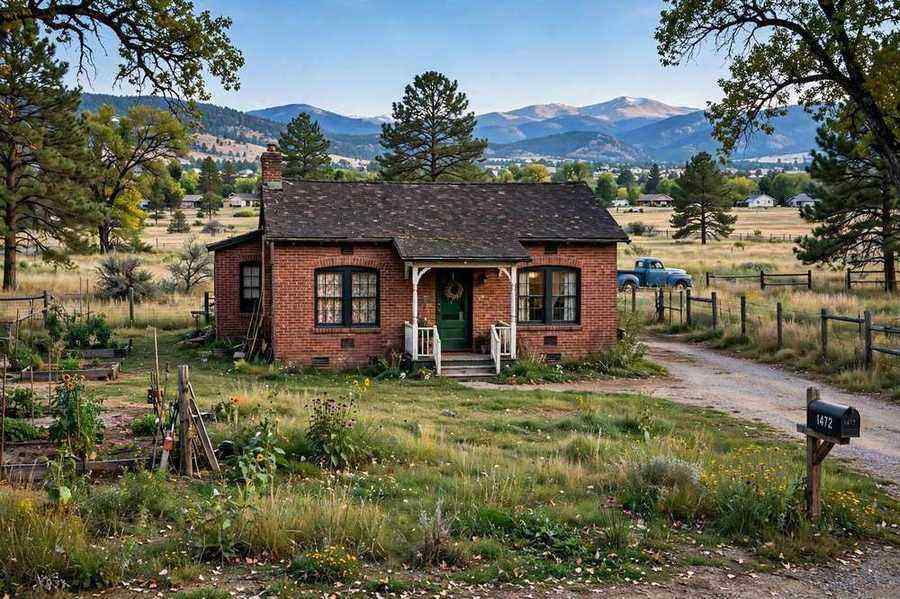
Plumbing in Creighton means Lakewood's oldest central stock. A large portion of the city's oldest housing, built between 1940 and 1959, sits here, with galvanized supply lines and clay laterals at the end of their life and lead-service-line screening as the opening question. We are open 24 hours, every day, and you reach us by phone at (720) 909-6690.
Call (720) 909-6690 any hour — day or night.
We explain the approach before work starts.
Equipped vehicles and respectful cleanup.
Neighbors serving neighbors with follow-through.
Creighton holds a large portion of Lakewood's oldest housing stock, built between 1940 and 1959, with smaller pre-1940 pockets scattered through it. The housing is two large larger-lot horse-property areas, developed without sidewalks, plus smaller-lot single-family homes, with a small multifamily area near Alameda Avenue. Homes of the 1940s-50s era typically have galvanized supply lines, cast-iron drains, and clay laterals, and the pre-1940 and pre-1951 pockets may have lead service lines, which makes Creighton the strongest lead-line candidate in the central neighborhoods. The no-sidewalk, large-lot layout means a lateral replacement is a long-trench job across a large lot, not a short run from the street to the house, and that shapes every sewer job here.
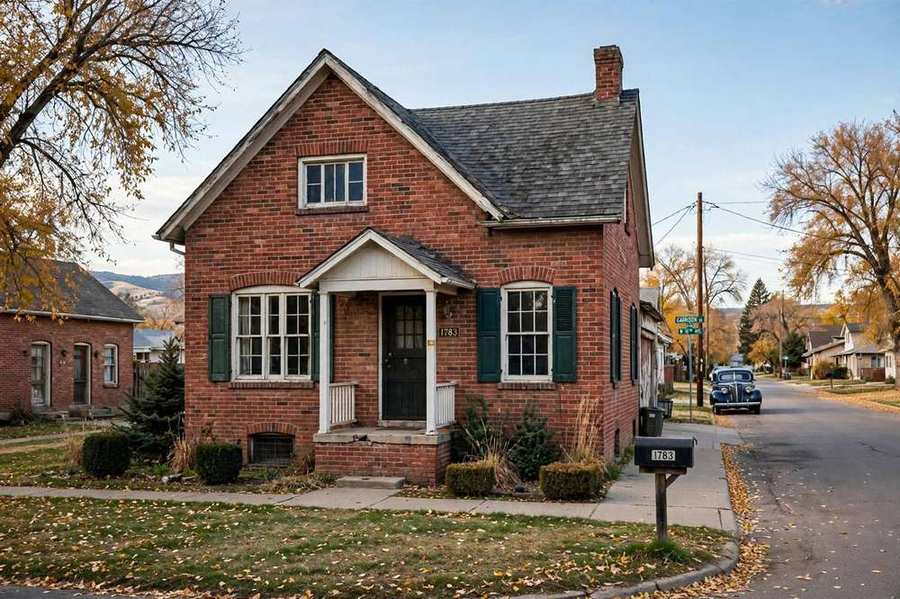
Creighton holds a large share of Lakewood's oldest central housing stock, built 1940-59, with smaller pre-1940 pockets scattered through it. Two large horse-property areas were developed without sidewalks, so the laterals are long and old, and the Bonvue Water and Sanitation District serves this part of Lakewood. Colorado Christian University sits adjacent on Alameda near Carr St, and Balsam Pond, Meadowlark, Bonvue, and Lakewood Park are the neighborhood parks. These nine services match that profile.
Galvanized supply lines in the 1940s-50s stock have corroded from the inside over 70-plus years. When the pressure has fallen at every tap, the run is assessed and the repipe is planned in sections, rather than patching one fitting after another.
View service →02Under the big horse lots, clay laterals fail at the joints, where roots get in and the ground shifts. A replacement here is a long trench, not a short street-to-house run, and in most Lakewood districts the lateral belongs to the homeowner as far as the main.
View service →03Running a camera through the lateral shows every joint: root intrusion, offsets, and collapsed sections. On Creighton's long runs under no-sidewalk lots, that picture decides whether the fix is a spot repair or a full replacement.
View service →04On a large lot, a leak can travel a long way before it shows, and a damp patch far from any fixture usually means the failure is somewhere else entirely. The water is traced to its source with inspection equipment before anything is opened.
View service →05High-pressure jetting clears heavy buildup and root intrusion from a drain line, and on Creighton's aging cast-iron and clay runs it is often the step that restores flow before a replacement is planned. We jet the line and check flow at the fixtures that feed it.
View service →06Heaters in 1940s-50s homes are often well past their expected life, and the tank holds decades of sediment. A unit that stops recovering or starts leaking is replaced to code, with venting, supply, and relief discharge checked before the job is done.
View service →07Galvanized-era drains build up scale and debris over decades. We clear the drain and check the run downstream, so a cleared trap does not back up again the following week.
View service →08The first freeze usually lands between late October and mid-November, and the horse lots feel it first, with barn lines, hose bibbs, and unheated spaces sitting exposed. The split is repaired and the run around it is checked, so the same line does not freeze again.
View service →09A backed-up drain or a burst line cannot wait, and the oldest central stock bursts hardest when the cold arrives. At (720) 909-6690 we answer day and night, and the failure causing the damage is the first thing we deal with.
View service →In Creighton the house's age and the lot's length set the job. A 1940–59 home has its galvanized supply and clay lateral assessed together — both are at the end of life on the same clock — while a pre-1940 pocket home has its service line screened for lead before any repipe is planned. The horse lots were developed without sidewalks, so laterals run long under large lots and the camera comes out before any shovel does. The work follows the 2021 IPC as adopted by Lakewood's Municipal Code Chapter 14.05 (Ordinance O-2023-16), over the Colorado Plumbing Code. Permit fees follow valuation under the current resolution, so the Permit Counter at 303-987-7500 confirms the dollar figure for the job.
In the 1940s–50s stock the supply lines and the lateral are the same age. We test pressure at several fixtures and camera the lateral, because the two failures arrive together and the plan has to cover both.
The oldest homes here may carry a lead service line — the strongest lead case among the central neighborhoods. Program eligibility is checked by address, and the service line is looked at before any repipe is planned.
Laterals under the horse lots run long distances across large lots, through bentonite clay that shifts with every wet-dry cycle. Roots enter at the joints, so the camera comes first and the replacement is planned as a long run.
Chapter 14.05 of the Lakewood Municipal Code, Ordinance O-2023-16, adopts the 2021 IPC. The 2021 IRC, Chapters 25-33, covers the residential work in the 1940s-50s stock.
There is no flat dollar fee, because Resolution R-2025-69, effective 1 January 2026, sets permit fees by valuation. The Permit Counter at 303-987-7500 confirms the fee for the job.
Creighton is the oldest central stock, and its problems arrive together: the supply lines and the laterals are the same age, the service lines on the oldest homes may be lead, and the unheated spaces freeze first. The small multifamily area near Alameda Ave is newer and fails differently.
Inside a galvanized pipe, corrosion narrows the bore year by year until the pressure falls at every tap and the first water in the morning runs brown. The test is pressure at several fixtures, which tells a single bad run from a system-wide failure.
A clay lateral under a large horse lot has a long way to run and many joints to fail at. Roots get in, the bentonite ground shifts, and the line backs up; the camera shows which joints have gone before any digging starts.
The pre-1940 pockets may still have a lead service line, and Creighton is the strongest lead candidate among the central neighborhoods. The line is screened first on the oldest homes, and Denver Water program eligibility is checked by address.
Crawlspaces, outbuildings, and additions that were never properly insulated freeze before anything inside the heated rooms. The break is repaired and the run is insulated or rerouted, because a line that froze once will freeze again.
Creighton sits in central Lakewood, and we use the parks and the university on Alameda as the anchors for routing. The horse lots sit on the larger parcels, and the smaller-lot homes sit between them, and knowing which side a call is on tells us whether to plan for a long lateral.
Lakewood Park is the larger park in and near Creighton, and it is the reference point for the neighborhood's central streets.
Balsam Pond is one of the smaller parks in Creighton, and it helps us split calls across the neighborhood's northern side.
Meadowlark Park is another of Creighton's parks, and it anchors the streets around it.
Bonvue Park sits in or near Creighton, and the Bonvue Water and Sanitation District is named for this part of Lakewood.
Colorado Christian University sits adjacent on Alameda near Carr Street, and it is the landmark for the southern edge of Creighton.
Alameda Avenue runs along the southern side of Creighton, where the small multifamily area sits. It is the east-west route we use to reach the neighborhood.
We cover the whole Creighton neighborhood: the two large horse-property areas and the smaller-lot single-family streets, plus the small multifamily area near Alameda. The nearby neighborhoods below are the other central Lakewood areas we work in.
Addenbrooke shares Creighton's two-era pattern, with a horse-property portion built 1940-59 beside 1960s-70s infill, and the same galvanized and clay profile on its older lots.
Belmar Park shares Creighton's 1940s-70s single-family pattern, and its page keeps that story apart from the 2004-and-later Belmar district condos and townhomes.
Eiber has the deepest era stack in Lakewood, from the 1860s farm era through the 1920s streetcar suburb and the WWII surge, so lead, galvanized, Orangeburg, and copper all appear in sequence.
North Alameda is another central Lakewood neighborhood with mid-century housing, and its laterals and supply lines fail in the same era patterns as Creighton's.
Three calls come up again and again in Creighton, and they follow the neighborhood's age: a 1940s home losing pressure, a long lateral full of roots, and a pre-1951 home that needs its service line checked before anything else.
A 1940s home where the pressure has gone at every tap usually has galvanized supply lines corroded from the inside. The pressure is checked at several taps, the service line is looked at as well, and the assessment says whether one run or the whole system needs replacing.
A long clay lateral under a horse lot fails at the joints, where roots get in. The camera goes in first, and the repair or replacement is planned around the full length of the run, not just the worst joint.
On a pre-1951 home, the service line is checked for lead before any repipe is planned. Eligibility for the Denver Water program is confirmed by address, and the check decides whether the service line joins the scope of the work.
Amazing company! These guys would put Mario and Luigi to shame. Very detail oriented and thorough with their jobs and surprisingly affordable. Also extremely quick with follow up and responding to messages and phone calls.
Arrived in less than an hour and completed the job in less than two hours for a very good price.
Emergency Plumber Lakewood came through for me when I had a problem with my water. They were easy to work with, explained everything, and got it fixed fast. I'd definitely call them again and recommend them to anyone who needs a plumber. 5 stars!
Creighton's year is set by the oldest pipes in central Lakewood. Spring wakes the roots in the long clay laterals, summer is the only sensible window for a long-lateral replacement across a horse lot, fall brings the first freeze to barn lines and hose bibbs, and winter tests galvanized supply that has already served 70-plus years.
Spring is when the long laterals wake up. Roots that grew all winter into clay joints start taking flow, and the freeze splits on barn lines and hose bibbs show themselves at the first warm week. A drain that slowed over winter and is camera-checked in April is a joint repair; the same drain in June is a backup.
Summer is the digging season on the big lots. Ground is workable, a long trench can be opened and restored, and a repipe can be staged room by room while the household keeps running. It is also the season the parks fill — Balsam Pond, Meadowlark, Bonvue — and the irrigation and hose bibbs get their hardest use.
Fall belongs to the horse lots. The first hard freeze usually lands between late October and mid-November, and barn lines, paddock hydrants, and unheated outbuildings freeze before anything inside the house. The smaller-lot homes follow a week or two later, at the hose bibbs and garage runs.
Winter is when the oldest supply in central Lakewood earns its age. The February 2021 cold snap is still the benchmark — daytime highs near 1°F, overnight lows near -14°F — and the first failures show at garage runs and crawlspace lines in the 1940s–50s stock.
Creighton sits among other Lakewood neighborhoods with their own housing and pipework, and we work in all of them. If you are in one of these areas, the same team covers your street.
Creighton jobs are usually about the oldest stock in central Lakewood, so the questions below are written for 1940–59 homes, their long laterals, and their lead-era service lines. The answers should be specific to the house and the lot.
A home built before 1951 may have a lead service line, and Creighton is the strongest lead candidate among the central neighborhoods. Ask whether the line should be screened first and whether the address qualifies for the Denver Water Lead Reduction Program.
Laterals under the no-sidewalk horse lots run long distances across large lots. Ask how long the run is, what it crosses, and how the replacement will be staged — a long lateral is a different job from a short street-to-house run.
The camera shows the lateral joint by joint, including roots and offsets. A sewer quote given without one is a guess, and on a long horse-lot lateral a wrong guess is expensive.
Central Lakewood is split between districts: Bonvue Water & Sanitation serves part of this area and Alameda Water & Sanitation another. Ask which district serves the address and where the homeowner's responsibility ends.
Sewer replacement, repiping, gas piping, water-heater replacement, drain-waste-vent work, fixture installs, and water service lines need a permit when the work triggers one. Ask whether this job needs one and who arranges it.
The City of Lakewood adopted the 2021 IPC by Ordinance O-2023-16, as Municipal Code Chapter 14.05, and Creighton repipes, lateral replacements, and service-line work are built to it.
3 CCR 720-1 is the state code underneath Lakewood's adoption, with the State Plumbing Board's DORA licensing tiers behind it.
Creighton permit jobs usually mean repiping, sewer replacement, water-heater replacement, gas piping, or fixture installs.
Permit fees follow valuation under Resolution R-2025-69, effective 1 January 2026. Confirm the figure for the job with the Permit Counter, 303-987-7500.
Open around the clock, every day of the week. Call (720) 909-6690 at any hour.
Our Lakewood base: 200 Union Blvd, Lakewood, CO 80228.
A 5.0-star rating across 9 Google reviews, all 5-star.
Because a large portion of Lakewood's oldest housing, built between 1940 and 1959, sits in Creighton, with smaller pre-1940 pockets scattered through it. It is the central-city counterpart to Eiber and Morse Park in the north.
Homes built before 1951 may have lead service lines, and Creighton is the strongest lead-line candidate in the central neighborhoods. The Denver Water Lead Reduction Program covers pre-1951 homes, so eligibility is worth checking by address. No Lakewood-only lead-line count exists.
Because the horse-property areas were developed without sidewalks and the laterals run a long way under large lots. A replacement is a long-trench job across a large lot, not a short run from the street to the house.
Permits are required in Lakewood for water-heater replacement, water service lines, fixture installs, gas piping, drain-waste-vent work, sewer replacement, and repiping. Permit fees are valuation-based, so confirm the fee with the Lakewood Permit Counter at 303-987-7500.
Yes. We are open 24 hours, every day, and the phone number is (720) 909-6690. A burst pipe or a sewer backup is an emergency call at any hour.
Not seeing your question? Call (720) 909-6690 — we are open 24 hours, every day.
Ask the local teamCall (720) 909-6690 any hour. We are open 24 hours, every day, for Creighton's horse lots and its smaller-lot streets alike.