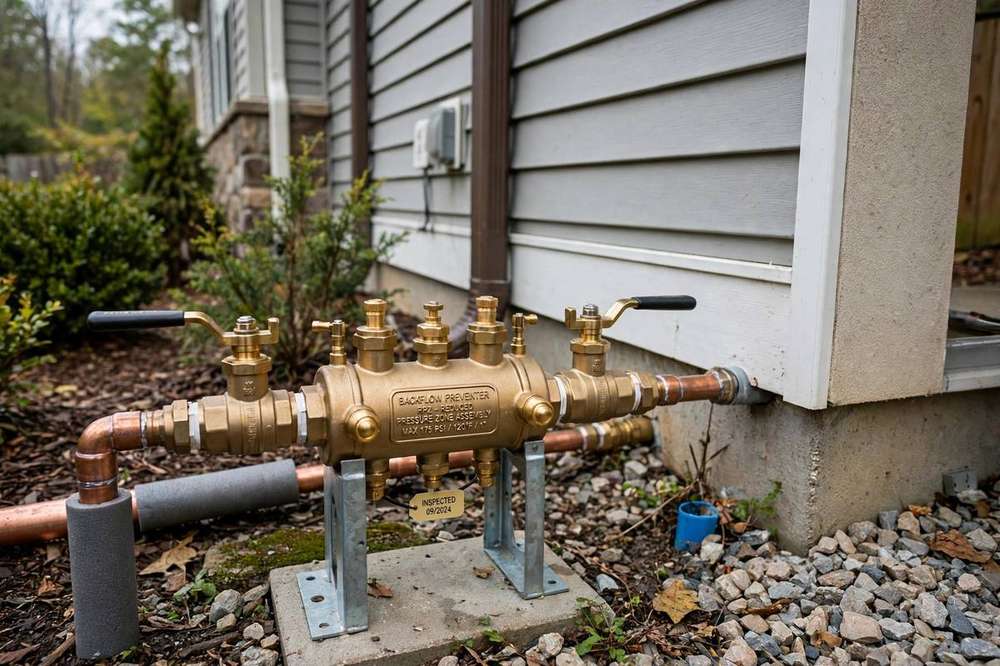
Common plumbing problems in Two Creeks, West Colfax
West Colfax is a corridor, not a neighborhood, and it runs through Two Creeks, where many homes date to the 1940s and 1950s. Those homes share a set of plumbing problems that come from their era, not from anything the current owner did.
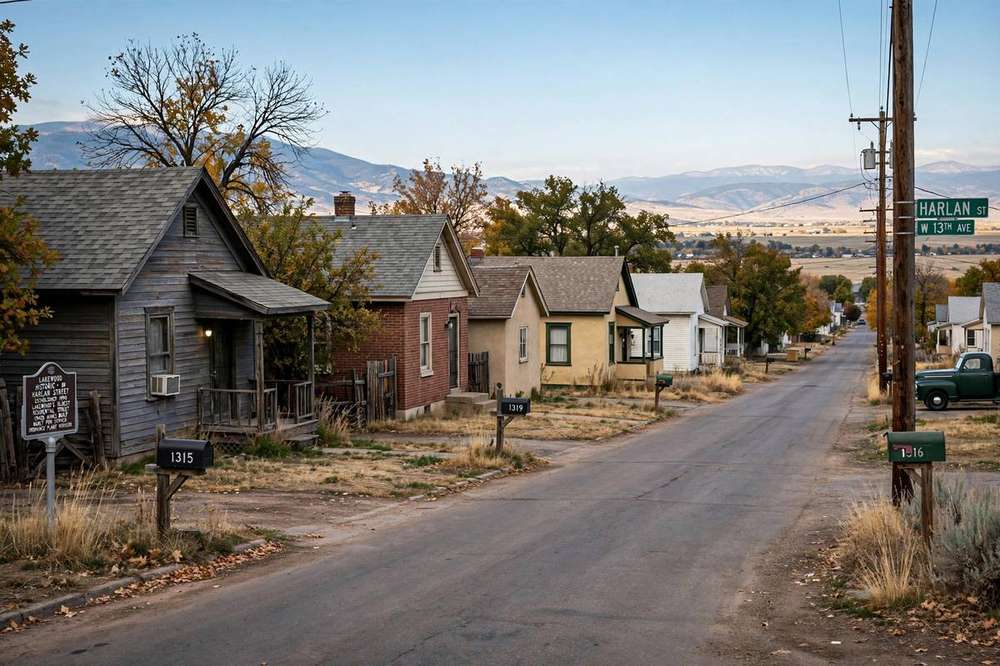
If you live in Two Creeks, your address may say West Colfax, but West Colfax is a corridor, not a neighborhood. The corridor runs east to west across the north side of Lakewood, and the homes that front it in Two Creeks were mostly built in the 1940s and 1950s, when Lakewood was growing fast and builders used the materials of the day. Those materials have now had seventy or more years of service, and they fail in predictable ways. Knowing what your home likely has, and what the early warning signs look like, is the difference between a planned repair and a middle-of-the-night emergency.
What 1940s and 1950s homes in Two Creeks typically have
Homes of this era in Lakewood typically have galvanized steel supply pipe, cast-iron drain pipe, and a vitrified clay sewer lateral running out to the district main. None of that is a defect on its own. Galvanized pipe was the standard of its time, cast iron is heavy and long-lived, and clay tile was the normal sewer material for decades. The problem is age. Galvanized pipe corrodes from the inside, narrowing until water pressure fades and the water runs rusty. Cast iron scales and roughens, so waste snags instead of sliding through. Clay laterals were laid in short sections, and every joint is a place where tree roots can enter and where shifting soil can open a gap.
Lakewood's soil makes the lateral problem worse. Much of the Denver metro, including Lakewood, sits on expansive bentonite clay that swells when wet and shrinks when dry. That seasonal push and pull stresses buried pipe joints, creates bellies where a sewer line sags and waste settles, and can crack older clay pipe outright. The movement works hardest during the late-winter and spring thaw, when soil takes on water after a dry winter. A lateral that drained fine in October can start backing up in March for no reason you can see from the surface.
Low water pressure and rusty water
The most common complaint in the corridor's older homes is water pressure that has faded over the years. A shower that used to run strong now trickles, and the kitchen tap takes longer to fill a pot. In a 1940s or 1950s home, the usual cause is galvanized supply pipe that has corroded internally. The corrosion builds up gradually, so the decline is easy to miss until a fixture barely flows. Rusty or brown water when a tap is first opened, especially after the house has sat unused, is the other classic sign. A single fixture with poor pressure usually points to that fixture or its supply stop. Low pressure at every tap points to the supply piping itself, and that is a job for a plumber, not a fixture swap.
If your home still has galvanized supply lines, plan for the day they need replacing rather than waiting for them to fail. A plumber can inspect the accessible piping and tell you how much life is realistically left. Our repiping service in Lakewood replaces aging supply pipe with modern materials, and it is the lasting fix when corrosion has narrowed the lines throughout the house.
Slow drains and recurring clogs
Cast-iron drains in homes of this era typically last a long time, but the inside of the pipe roughens with age. Grease, soap scum, and food waste catch on the rough surface and build up, so drains that once cleared with a plunger start slowing down again a few weeks later. A single slow drain is usually a local clog. Several fixtures slowing at once, or a toilet that gurgles when the washing machine drains, points further down the line, toward the main drain or the lateral.
Chemical drain cleaners are a poor answer in old cast iron. They rarely clear a real blockage, they can damage older pipe and fittings, and they leave a caustic residue that is a hazard for anyone who later works on the drain. A plumber clearing the line with a cable or a water jet, and checking the result with a camera, will tell you whether you are dealing with buildup, roots, or a broken section of pipe. See our drain cleaning in Lakewood and sewer camera inspection pages for how that diagnosis works.
Clay sewer laterals, roots, and bellies
The sewer lateral is the pipe that carries waste from your home to the district main, and in most Lakewood districts the homeowner owns that lateral all the way to the main, including the section under the sidewalk and street. In Two Creeks, laterals from the 1940s and 1950s are typically clay tile in short sections. Mature trees planted when the neighborhood was built send roots toward any joint that weeps moisture, and a root ball can choke a four-inch clay line in a couple of years. Add bentonite soil movement, and joints offset, sections sag into bellies, and cracks open.
The warning signs are worth learning: repeated backups at the lowest drain in the house, gurgling from toilets and tubs, a sewage smell near a floor drain, or a patch of lawn that stays green and soggy when the rest is dry. Any of those is a reason to get a camera inspection before the next backup, not after it. A camera shows whether the line needs a spot repair, a cleaning schedule, or full replacement, and it keeps the decision based on what is actually in the ground. Our sewer line repair page explains the options once the camera has done its work.
Water heaters and fixtures in smaller mid-century homes
Many Two Creeks homes are modest in size, and their water heaters and fixtures were sized for a household of that era. A tank that was adequate for two people can run short when the household grows or a bathroom is added, and sediment and scale build up inside the tank over the years, cutting into the hot water you actually get. If hot water runs out sooner than it used to, the cause is usually sediment, a worn dip tube, or a tank that has simply reached the end of its service life. That is a repair-or-replace decision a plumber can make after looking at the unit, its age, and its condition.
Fixtures tell the same age story. Original shutoff valves under sinks and toilets can seize or start weeping when they are finally turned, and old faucet cartridges wear out and drip. If a shutoff valve will not turn, do not force it. Call a plumber and let the valve be replaced before it becomes a leak. Our fixture installation page covers replacement fixtures for older Lakewood homes.
When to call a plumber in Two Creeks
Call a plumber when more than one fixture backs up or drains slowly, when you smell sewage inside the house, when water pressure drops at every tap, when rusty water keeps coming back, or when a drain you have cleared keeps clogging within weeks. Those are system problems, not fixture problems, and they do not improve on their own. If sewage is backing up into a tub or floor drain, stop using water in the house and call. Continuing to run water only pushes more waste back inside.
For a single slow drain or a dripping faucet, you have time to plan, but do not ignore the pattern. In a home of this era, a small symptom is often the first sign of a pipe that is reaching the end of its life. A camera inspection and a look at the accessible supply piping will tell you what you are dealing with, and a written scope of work will tell you what the fix involves before anything is taken apart.
If you live in Two Creeks or anywhere along the West Colfax corridor and your home was built in the 1940s or 1950s, the plumbing in it has served longer than most of the materials were ever expected to. That is not a reason to worry, but it is a reason to pay attention to the early signs. Call Emergency Plumber Lakewood at (720) 909-6690 and we will help you work out what your home needs. We are open 24 hours, every day.
Get help with plumbing in Lakewood
If you would rather have a plumber take it from here, call Emergency Plumber Lakewood at (720) 909-6690. We serve homes across Lakewood, and we are open 24 hours, every day.
Questions, answered
What plumbing problems are most common in Two Creeks older homes?
Galvanized supply pipe that has corroded and narrowed, cast-iron drains that have roughened and clog, and clay sewer laterals invaded by tree roots or shifted by expansive bentonite soil. Low pressure, rusty water, and recurring backups are the usual warning signs.
Is West Colfax a neighborhood in Lakewood?
No. West Colfax is a corridor that runs across the north side of Lakewood, through neighborhoods including Two Creeks. Homes along the corridor in Two Creeks were mostly built in the 1940s and 1950s.
Who owns the sewer lateral in Lakewood?
In most Lakewood districts the homeowner owns the sewer lateral from the house all the way to the district main, including the section under the sidewalk and street. Confirm the rule with your own sanitation district if you are unsure.
Why do drains in older Two Creeks homes keep clogging?
Cast-iron drains roughen with age, so grease and waste catch and build up. Clay laterals add root intrusion and bellies from soil movement. A camera inspection shows whether the cause is buildup, roots, or a damaged section of pipe.
When should I call a plumber instead of clearing a drain myself?
Call when more than one fixture is slow or backing up, when you smell sewage, when a cleared drain clogs again within weeks, or when sewage is coming up through a tub or floor drain. Stop using water and call right away if sewage is backing up into the house.
Sources
- Lakewood Municipal Code, Chapter 14.05 — 2021 International Plumbing Code — the code governing pipe replacement and repair work in Lakewood.
- City of Lakewood — Water and sewer provider list — Lakewood water and sewer service follows the street address, with the sewer lateral running to the district main.