Why is my water bill suddenly so high in Lakewood?
A sudden spike in your Lakewood water bill almost always means a leak you cannot see. Here is how to find it, what to check first, and when to call a plumber for leak detection.
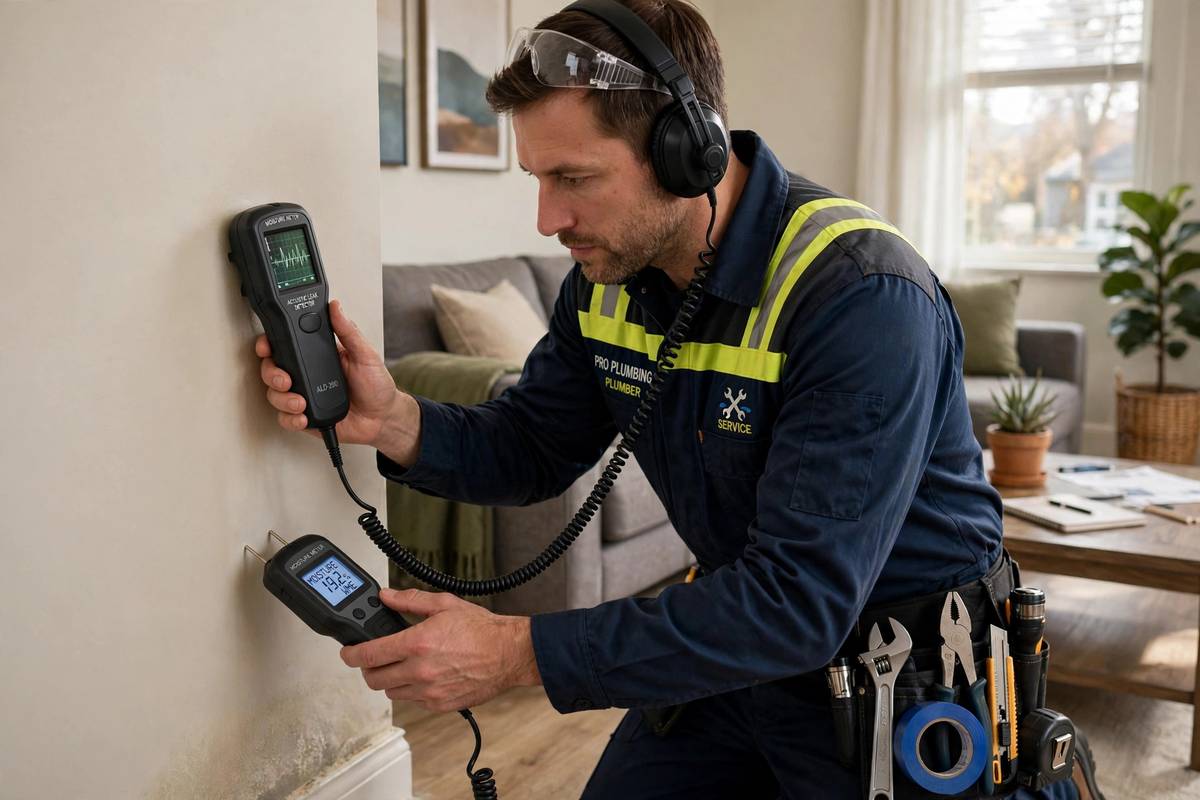
A water bill that jumps suddenly, with no change in how your household uses water, is almost always a leak. The water is going somewhere, and the bill is the first sign of it. The leak may be a running toilet, a dripping faucet, a slab leak under the floor, an irrigation line break, or a service line leak between the meter and the house. The job is to find it, and the order you check things in matters. Start with the simple checks that take minutes, and work toward the hidden leaks that need a plumber.
First, rule out a change in use
Before you hunt for a leak, rule out the ordinary explanations. Did someone fill a pool or a hot tub? Did the household grow, or did guests stay for a stretch? Did the irrigation system run more than usual during a hot, dry spell? Is the bill for a longer period than usual, or was the previous bill estimated rather than read? Your water provider can tell you whether the reading was actual or estimated, and whether the usage period changed. In Lakewood the provider follows the address. Denver Water serves about sixty percent of Lakewood addresses, and other providers, including Consolidated Mutual, Bancroft-Clover, Green Mountain, Bear Creek, Alameda, and Daniels, serve the rest, along with a small City utility. Check your bill or your provider's records to confirm which provider serves your address, and ask them whether the reading looks right before you assume a leak.
The meter check: the fastest way to confirm a leak
The water meter tells you whether water is flowing when nothing is running, and it is the single most useful check you can make. Find the meter, which is usually near the street in a covered box, or inside the house near where the service enters. Make sure no water is running anywhere in the house: no taps, no toilets filling, no dishwasher, no washing machine, no irrigation. Write down the meter reading, wait two hours without using any water, and read the meter again. If the reading has changed, water is flowing somewhere, and you have a leak. Many meters also have a small leak indicator, a triangle or a star, that turns when even a small amount of water flows. If the indicator is moving with everything off, you have a leak.
The meter check also tells you where the leak is. Turn off the main house shut-off valve and check the meter again. If the meter keeps moving with the house shut off, the leak is in the service line between the meter and the house. If the meter stops, the leak is inside the house. That distinction decides what happens next, and it is the first thing a plumber will ask about. Do not ignore a service line leak. It can undermine soil, damage a driveway or a sidewalk, and waste a large amount of water underground where you cannot see it.
Check the toilets first
A running toilet is the most common cause of a sudden high water bill, and it is the easiest to check. A toilet with a worn flapper or a stuck fill valve can waste hundreds of gallons a day, and the water goes down the drain silently. Use the food-coloring test on every toilet in the house. Put a few drops of food coloring in the tank, wait ten minutes without flushing, and look at the water in the bowl. If the bowl water is tinted, the flapper is leaking. Also listen for a toilet that refills on its own, and look for a water level that sits at or above the overflow tube. Check guest bathrooms and basement toilets too, because a toilet nobody uses is the one most likely to be leaking unnoticed. Our guide to a running toilet explains the fix, and our fixture installation page covers replacement when a toilet is beyond repair.
Look for the leaks you can see
Walk the house and look for the visible signs. Check under every sink for dampness, staining, or a musty smell. Look at ceilings below bathrooms for stains or bubbling paint. Check the water heater for water at its base, which can mean a failing tank or a leaking connection. Look at the walls behind the washing machine and the dishwasher. Outside, look for a patch of lawn that stays green and soggy when the rest is dry, a soft spot in the yard, a driveway or sidewalk that is sinking or cracking, or water pooling where it should not be. Any of those can mean a service line or irrigation leak. Check the irrigation system separately. A broken sprinkler head, a cracked valve, or a line that was not winterized can waste a large amount of water, and irrigation leaks are easy to miss because the water goes into the ground.
Slab leaks: the hidden cause
A slab leak is a leak in a water line under the concrete slab of the house, and it is the cause most homeowners worry about when the meter check confirms a leak but nothing visible explains it. The signs are a warm spot on the floor, a floor that is damp or buckling, the sound of running water when nothing is turned on, a water heater that runs constantly, or a bill that stays high after the toilets and visible fixtures have been ruled out. Lakewood's expansive bentonite clay, which swells when wet and shrinks when dry, stresses buried pipes and slabs, and that movement can contribute to slab leaks in older homes. A slab leak is not a homeowner repair. Finding it takes acoustic listening equipment and pressure testing, and repairing it takes a plumber. Our slab leak repair page explains how a slab leak is found and fixed, and our leak detection page covers the diagnostic process.
When to call a plumber
Call a plumber when the meter check confirms a leak and you cannot find it, when the meter keeps moving with the house shut off, when you suspect a slab leak, when an irrigation line is broken, or when the bill stays high after you have checked the toilets and the visible fixtures. Call right away if you see water damage, a sinking driveway or sidewalk, or water pooling in the yard. A service line leak and a slab leak both get worse with time, and the water damage they cause costs more the longer they run.
When you call, have the information ready: the meter readings from your two-hour check, whether the meter moved with the house shut off, which toilets you tested, and whether any fixture is visibly leaking. That information lets the plumber start with the right diagnostic step instead of repeating the checks you have already done. If your Lakewood water bill has jumped and you cannot find the reason, call Emergency Plumber Lakewood at (720) 909-6690. We are open 24 hours, every day.
Get help with plumbing in Lakewood
If you would rather have a plumber take it from here, call Emergency Plumber Lakewood at (720) 909-6690. We serve homes across Lakewood, and we are open 24 hours, every day.
Questions, answered
How do I check if I have a water leak in Lakewood?
Use the meter check. Make sure no water is running anywhere, write down the meter reading, wait two hours without using water, and read the meter again. If the reading changed, water is flowing somewhere and you have a leak.
What is the most common cause of a sudden high water bill?
A running toilet. A worn flapper or a stuck fill valve can waste hundreds of gallons a day, and the water goes down the drain silently. Use the food-coloring test on every toilet in the house.
How do I know if the leak is inside the house or in the service line?
Turn off the main house shut-off valve and check the meter again. If the meter keeps moving with the house shut off, the leak is in the service line between the meter and the house. If the meter stops, the leak is inside the house.
What are the signs of a slab leak in Lakewood?
A warm spot on the floor, a floor that is damp or buckling, the sound of running water when nothing is turned on, a water heater that runs constantly, or a bill that stays high after the toilets and visible fixtures have been ruled out.
Can an irrigation leak cause a high water bill?
Yes. A broken sprinkler head, a cracked valve, or a line that was not winterized can waste a large amount of water, and irrigation leaks are easy to miss because the water goes into the ground. Check the irrigation system when the bill jumps in the watering season.
Sources
- Denver Water — Water quality reports — published water-quality data for Denver Water customers.
- City of Lakewood — Water and sewer provider list — Lakewood water service follows the street address; Denver Water serves about sixty percent of addresses.