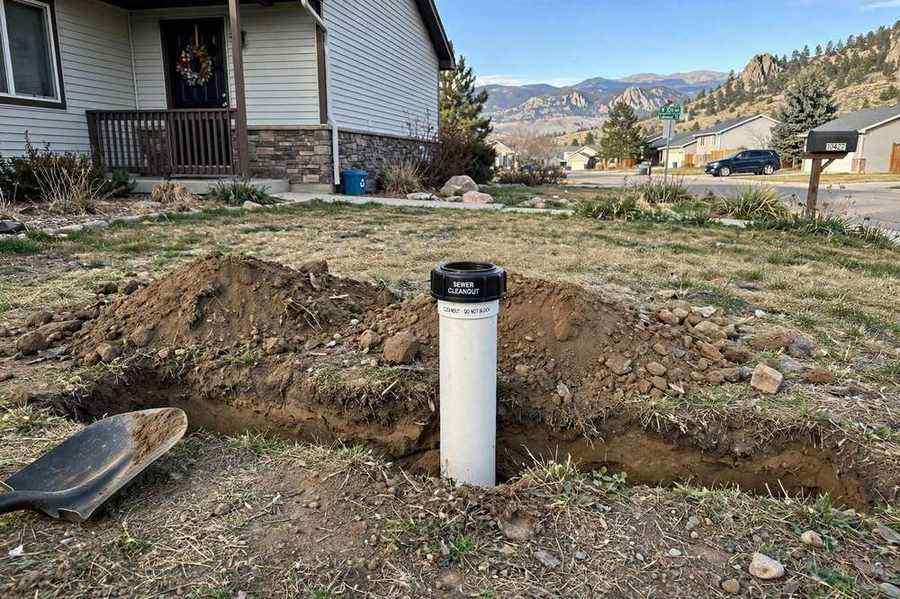
Preparing your plumbing for winter in Green Mountain
Green Mountain sits higher and more exposed than the rest of Lakewood, so its plumbing feels winter first. Terraced lots, walk-out lower levels, and long exposed pipe runs need winter preparation before the first hard freeze.
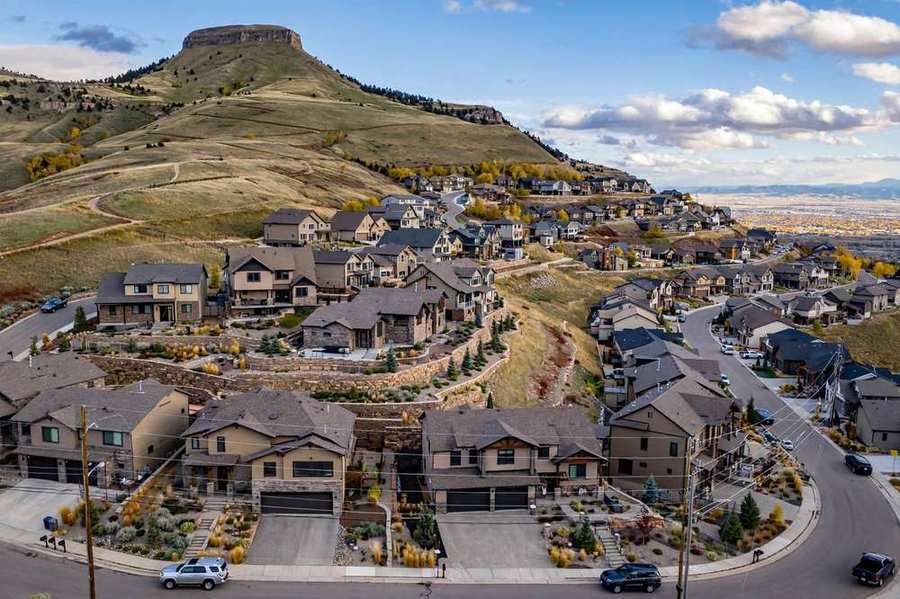
Green Mountain is the high ground in Lakewood. The ground rises from around 5,400 feet on the flats to past 6,000 feet on the mountain's flanks, and the citywide elevation of about 5,518 feet is an average, not what a home on the hillside experiences. Higher ground is more wind-exposed, cold air moves differently across a slope than it does on flat land, and the west-metro freeze-thaw pattern means Green Mountain homes cycle through freezing and thawing more often than homes closer to Denver. Winter preparation here is not a single chore. It is a set of small jobs that protect the parts of a home's plumbing that the slope and the exposure put at risk.
Why Green Mountain freezes first
Lakewood's first freeze typically arrives in late October to mid-November, and homes on Green Mountain often feel it before homes on the flats. Wind strips heat from exposed walls and pipes, and a terraced lot means more of the house is exposed to the air: a walk-out lower level has walls and pipes that a flat-lot basement keeps buried and insulated by soil. The February 2021 cold snap, when the Denver area recorded a high of 1 degree and a low of minus 14 on 14 February, is a reminder of what a multi-day freeze does to exposed plumbing. Pipes that survive ordinary winter nights can freeze when the cold lasts for days and the wind never drops.
Walk-out lower levels and exposed pipe runs
A walk-out lower level is the defining feature of many Green Mountain homes, and it is also the main winter risk. Pipes that run along the walls of a walk-out level, or through an unheated garage, utility area, or crawlspace beneath it, are exposed to cold air on one side and to the wind on the other. Before winter, walk the lower level and look for pipes on exterior walls, pipes running through unheated spaces, and any place where a pipe passes through a gap in the framing. Insulate exposed pipes with pipe insulation, and seal the gaps and cracks that let cold air reach them. Insulation slows heat loss, but it does not create heat, so a pipe in a space that stays below freezing will still freeze eventually. Sealing air leaks matters as much as the insulation itself.
Pay attention to the rooms you do not heat. A spare room, a storage area, or a lower-level bathroom that stays closed off all winter can drop well below the rest of the house. Keep interior doors open enough for warm air to circulate, and do not turn the heat off in a room that has water pipes in its walls. If a lower-level bathroom has pipes in an exterior wall, opening the vanity cabinet doors on the coldest nights lets warm air reach them. Our frozen and burst pipe repair page explains what happens when that preparation is missed.
Hose bibbs and outdoor water
Hose bibbs are the most common freeze point in any Lakewood home, and on a windy hillside lot they are more exposed than most. Disconnect every garden hose before the first freeze. A hose left attached traps water in the bibb and the pipe behind it, and that trapped water is what freezes and splits the pipe. If your home has a separate shut-off for the outdoor water lines, turn it off and drain the lines. If your hose bibbs are the older style, without frost-proof protection, consider having them replaced with frost-proof models that shut the water off inside the heated part of the house. A frost-proof bibb is a modest change that removes one of the most common winter failures.
Check the bibbs themselves for drips. A bibb that drips all winter is wasting water and, more importantly, it is a sign the washer or the valve seat is worn. A dripping bibb in freezing weather can also build up ice on the wall and the ground below it, which is a slip hazard as well as a plumbing problem.
Irrigation winterization and backflow
Green Mountain's terraced lots often have extensive irrigation, and irrigation is the winter job most often forgotten. An irrigation system left full of water will freeze, and the damage is rarely limited to one sprinkler head. Pipes split, valves crack, and the backflow prevention assembly, which sits above ground and is fully exposed, is one of the first parts to fail. Winterize the system before the first hard freeze: shut off the irrigation water supply, drain the lines, and have the system blown out with compressed air by a professional if that is how your system is designed to be winterized. Do not try to blow out an irrigation system with a home air compressor unless you know the safe pressure for the system. Too much pressure can damage pipes and fittings.
The backflow assembly deserves its own attention. Backflow prevention keeps irrigation water, which may contain fertilizer or lawn chemicals, from flowing back into the drinking water supply, and most water providers in the Lakewood area require the assembly to be tested every year by a certified tester. Winter is the season when an unprotected assembly freezes and cracks, which means a repair and a retest before the next irrigation season. Insulate the assembly or remove it for winter storage if your system is designed that way, and keep the test record with your other home records. Our backflow testing page explains the annual testing requirement and what it involves. Never attempt backflow testing or repair yourself. It is safety-critical work that requires certification and the right test equipment.
The water heater and the main shut-off
Winter is a good time to look at the water heater, because it works hardest when the incoming water is coldest. A tank water heater in a cold garage or unheated utility area loses heat faster and runs more often, and sediment in the tank makes that worse. A yearly service visit that checks the unit, its venting, and its safety devices is worth scheduling before winter rather than after a failure. Gas water heaters also need clear venting and combustion air, so keep the area around the unit clear and do not store paint or solvents nearby.
Finally, make sure everyone in the household knows where the main water shut-off is and how to turn it off. In a Green Mountain home the shut-off is often in the lower level, near where the water service enters the house. A burst pipe at two in the morning is bad enough without a search for the shut-off valve. Test the valve once before winter to make sure it turns. If it is seized, call a plumber and have it replaced before you need it.
Winter on Green Mountain rewards preparation and punishes delay. Work through the list before the first hard freeze: disconnect the hoses, winterize the irrigation, protect the backflow assembly, insulate the exposed runs, and make sure the shut-off works. If you would like help with any of it, call Emergency Plumber Lakewood at (720) 909-6690. We are open 24 hours, every day.
Get help with plumbing in Lakewood
If you would rather have a plumber take it from here, call Emergency Plumber Lakewood at (720) 909-6690. We serve homes across Lakewood, and we are open 24 hours, every day.
Questions from Lakewood homeowners
Why does Green Mountain freeze before the rest of Lakewood?
Green Mountain sits higher and more exposed than the flats, with ground rising past 6,000 feet on its flanks. Wind strips heat from exposed walls and pipes, and terraced lots leave more of a home's lower level exposed to cold air.
What should I do with my irrigation system before winter in Green Mountain?
Shut off the irrigation water supply, drain the lines, and have the system blown out by a professional if that is how your system is designed to be winterized. Protect the backflow assembly from freezing, because a cracked assembly needs repair and a retest before the next season.
Should I disconnect garden hoses before winter?
Yes. Disconnect every garden hose before the first freeze. A hose left attached traps water in the bibb and the pipe behind it, and that trapped water is what freezes and splits the pipe.
How do I protect pipes in a walk-out lower level?
Insulate exposed pipes, seal the gaps and cracks that let cold air reach them, keep interior doors open enough for warm air to circulate, and do not turn the heat off in a room that has water pipes in its walls. On the coldest nights, open vanity cabinet doors under sinks on exterior walls.
Who can test a backflow assembly in Lakewood?
Backflow testing must be done by a certified tester with the right test equipment. Never attempt backflow testing or repair yourself. Contact your water provider or a plumber to arrange the annual test.
Sources
- Lakewood Municipal Code, Chapter 14.05 — 2021 International Plumbing Code — backflow prevention and plumbing code requirements in Lakewood.
- National Weather Service Boulder — February 2021 Climate Summary for the Denver Area — record temperatures for 14 February 2021 cited in this guide.